
Property in:
LONDON
Key details
-
History Evolved from a historic West London industrial area known for its Victorian factories and laundries into a modern residential hub undergoing a £1 billion masterplan regeneration.
-
Transport Unbeatable connectivity with seven stations bearing the name Acton, including the Elizabeth line at Acton Main Line, which reaches central London in 9 minutes.
-
Lifestyle A diverse residential community that balances massive new developments with the classic independent village feel of Churchfield Road.
-
Amenities Home to the community-focused Act One Cinema, local green spaces like Acton Park, and located just a 10-minute trip from Westfield London.
-
Education Highly appealing to families due to a strong selection of state primary and secondary schools with solid Ofsted ratings.
Attributes
Exquisite, good reputation, great health care, home to many gyms, independent, leafy green, long history, parks, shopping, vibrant.
Local area map
Popular Commute Times
Oxford Circus 19m by train, 15m by car
Hyde Park 30m by train, 14m by car
Hampstead Heath 33m by train, 20m by car
Heathrow Airport 21m by train, 16m by car
Well Known Subways
Chiswick Park
Acton Town
North Acton
Park Royal
Boundaries
North with Park Royal
East with Kensington
South with Hammersmith
West with Ealing
Around The Block
Acton is a Zone 2/3 West London residential hub offering new build flats starting from £375,000. Serviced by seven railway stations including the Elizabeth Line at Acton Main Line, it reaches Bond Street in 9 minutes. The neighbourhood delivers competitive rental yields of 4.8% to 5.5%.
The £1 billion masterplan for South Acton, now known as Acton Gardens, is a clear example. Older estates are making way for modern low-carbon apartments, bringing new parks and retail spaces. This shift is drawing young professionals who want better value than they can find in Chiswick or Ealing.

Despite the cranes, Acton hasn't lost its local character. Churchfield Road remains the independent high street, packed with cafes, bakeries, and specialist shops. When locals need major high-street brands, Westfield London is just a 10-minute journey away.
New Property in Acton
The scale of development in Acton makes it a major target for property investment. While prices have risen, the suburb still offers better value for square footage compared to nearby West London areas.

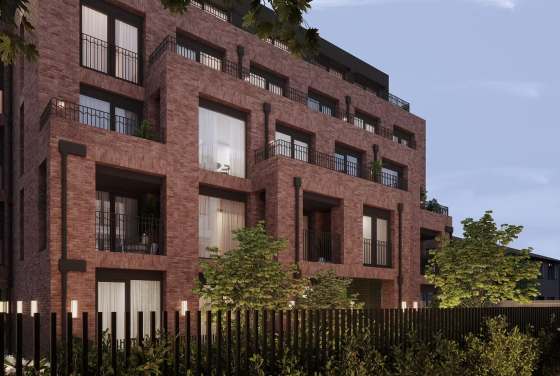
The pipeline for new homes is substantial, with developers taking full advantage of the Elizabeth line integration. Buyers can find modern apartments with extensive amenities at The Verdean and Bookbinder Point.
Other major projects reshaping the local market include The Sidings, Bollo Lane, 29-39 Stirling Road, and Lexden and Steyne Road. Most of these focus on modern studio, one, and two-bedroom apartments tailored for London commuters.
Featured Hotspots in Acton
Churchfield Road
This is Acton’s answer to a village high street. It’s the go-to place for morning coffee, independent butchers, and local pubs. The mix of Victorian terraces and independent businesses gives it a distinct, welcoming character.

Acton Park
A mature green space featuring walking paths, tennis courts, and a popular local café. It acts as a natural border between Acton and Chiswick, drawing residents from both areas for weekend strolls.
Active Leisure & Culture
Acton is exceptionally well-equipped for active leisure. From the trampoline park and karting tracks to the community-run Act One Cinema in the historic old library building, there are plenty of indoor options for weekends.
Acton Transport Links
Acton has seven railway stations bearing its name, making it one of the most connected areas in London. The introduction of the Elizabeth line at Acton Main Line has been the major shift, cutting journey times to Bond Street to just 9 minutes.

For tube travel, Acton Town station serves the Piccadilly and District lines, while North, East, and West Acton stations are on the Central line. This gives residents direct routes into the West End, the City, and Heathrow Airport.
Drivers also benefit from the location, as the A40 runs directly through North Acton, providing straightforward access out of London or into the centre. However, traffic during rush hour is routinely heavy.
Safety Settings
Like many parts of London undergoing rapid regeneration, Acton is a mix of demographics. Some streets feel distinctly gentrified, while others still show their industrial roots. The areas around the newer developments and Churchfield Road generally see a strong community presence and lower crime rates. As in any busy transport hub, standard street smarts apply, especially around major stations late at night.
FAQ: Living in Acton
Is Acton a good place to live?
Yes, Acton is a practical and rapidly growing West London neighbourhood. It is highly popular among young professionals and families for its outstanding transport links, solid green spaces, and more affordable property prices compared to nearby Chiswick and Ealing.
Which transport zone is Acton in?
Acton's stations span both Zone 2 and Zone 3. For instance, East Acton is in Zone 2, while Acton Town, Acton Central, and Acton Main Line are in Zone 3.
What is Acton famous for?
Acton is famous for having one of the most connected transport networks in London, with seven stations bearing its name. It is also known for its major £1 billion regeneration scheme, Acton Gardens, and the independent shops of Churchfield Road.
What are the main new developments in Acton?
Key new build schemes in Acton include The Verdean, Bookbinder Point, Bollo Lane, Lexden and Steyne Road, and 29-39 Stirling Road.
What are you looking for?
Step 1 of 6
Select the number of bedrooms
Select your budget
What is your purpose of purchase?
What is your preferred payment method?
When do you plan to move
Leave a request and assistant will select the property
A virtual assistant
ready to help you
ready to help you

What are you looking for?
New homes for sale in Acton




Attributes
Exquisite, good reputation, great health care, home to many gyms, independent, leafy green, long history, parks, shopping, vibrant.