


Retirement properties
New build retirement properties in London cater to buyers aged 55+ and 60+, with starting prices from £280,000 to £650,000 and legally protected zero ground rent. Supported by OPSO shared ownership and on-site healthcare suites, leading developments include Homewood Grove and Audley Fairmile.
Modern retirement developments combine private ownership with shared social spaces, allowing you to enjoy your privacy while having help on hand if your needs change.
Currently, the capital features a diverse range of retirement-specific homes, from central luxury apartments to quiet suburban developments. Navigating this niche market requires a clear understanding of property types, hidden leasehold costs, and specialized purchasing schemes.
Types of Retirement Housing in London
When exploring retirement living, you will generally choose between three main categories, depending on the level of support and community structure you prefer:
Sheltered Housing
This is the most common form of retirement living. Sheltered housing typically consists of self-contained flats in a managed apartment block. It is designed for independent seniors who want the peace of mind of having a dedicated house manager on-site during the day and a 24-hour emergency alarm system. These blocks usually include communal lounges, shared laundries, and landscaped gardens.
Retirement Villages
This modern concept offers a village-like environment, combining apartments, bungalows, and cottages around a central hub. Retirement villages provide a strong sense of community and frequently offer extensive facilities, including on-site restaurants, gymnasiums, and social clubs. They allow residents to enjoy a highly active social life without leaving the development.
Assisted Living (Extra Care)
Designed for those who require additional support to live independently, assisted living developments provide a higher tier of care. In addition to a house manager, these schemes offer 24-hour on-site staffing, domestic assistance, and tailored personal care packages. They also feature on-site restaurants serving daily meals and fully wheelchair-accessible common areas.
UK Financial Protections and Leasehold Realities
Because almost all retirement apartments are leasehold properties, senior buyers must carefully evaluate the unique financial structures associated with this segment before committing to a purchase.
The Ground Rent Reform
Historically, leaseholders paid an annual fee to the freeholder, known as ground rent. However, under the Leasehold Reform (Ground Rent) Act 2022, ground rent on new residential leases has been legally reduced to zero. For retirement properties, this zero-ground-rent rule came into full effect in April 2023. This is a massive financial relief for senior buyers, ensuring they face no hidden land-rent increases.
Service Charges and Exit Fees
While ground rent is gone, retirement properties carry service charges to maintain communal spaces, pay the house manager's salary, and run emergency systems. These charges are often higher than in standard flats, so reviewing the annual budget is vital.
Additionally, buyers must look out for exit fees, also known as event fees. Many developers include a clause in the lease stating that when you (or your estate) sell the property, a percentage of the sale price (typically 1% to 15%) must be paid back to the developer or the building's contingency fund. Always ask your solicitor to inspect the lease for these event fee clauses.
Specialized Purchasing Schemes
Several specialized initiatives exist to make downsizing or moving into retirement housing more affordable:
Older People Shared Ownership (OPSO)
This is a highly popular, government-backed scheme tailored for buyers aged 55 and over. Similar to standard shared ownership, OPSO allows you to buy a share of a brand-new home (between 10% and 75%) and pay a subsidized rent on the remainder. However, OPSO has a unique benefit: if you staircase your ownership to the maximum 75% share, you pay zero rent on the remaining 25% portion. This drastically lowers your monthly living costs.
Developer Initiatives and Map Search
Many major retirement developers support custom part-exchange programs or equity release schemes. If you want to compare developer portfolios across the capital, you can browse active property developers on our directory.
Alternatively, you can start exploring active off-plan properties to secure a home early, or search for all available London new builds using our interactive map. If you are looking for low-deposit options, we also recommend checking Shared Ownership in London developments registered with local housing associations.
Retirement homes in London
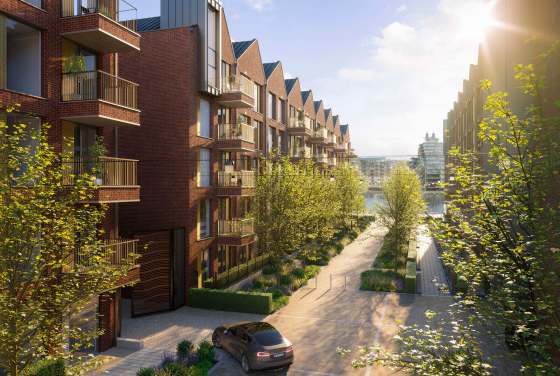

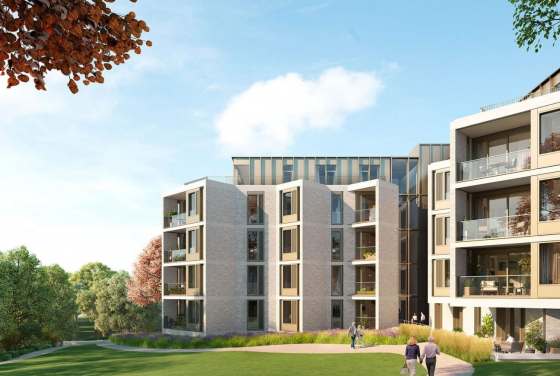
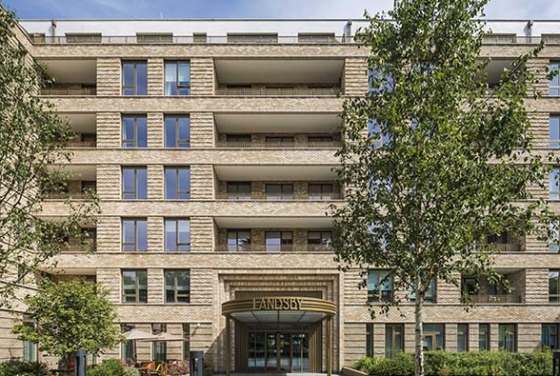

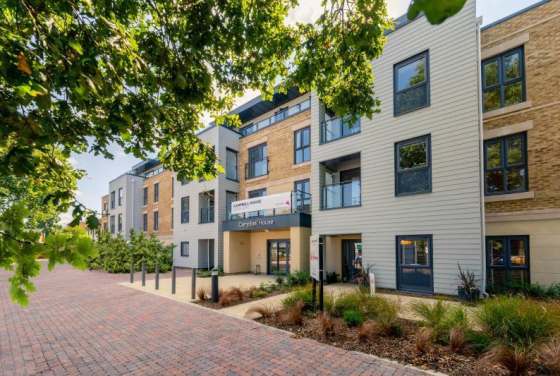
All retirement properties for sale →
Frequently Asked Questions
FAQ
Most developments have a minimum age requirement of 55 or 60. In the case of couples, usually only one partner needs to meet this age threshold. These age restrictions help maintain a peaceful, quiet environment and foster a community of residents with similar lifestyle needs.
Yes, but it can be challenging. Many traditional lenders have strict upper age limits for mortgage repayments (usually capping terms at age 70, 75, or 80). However, specialized brokers can help you access (retirement interest-only) (RIO) mortgages, where you only pay the interest monthly, and the capital is repaid when the home is sold.
Service charges cover extensive communal infrastructure and staff. This includes the salary of the on-site house manager, the maintenance of communal lounges and gardens, 24-hour emergency call monitoring, and sometimes subsidised dining facilities or residents' transport services.