
Off-Plan Property in London: The 2026 Buyer & Investor Guide
Buying a property while it is still in the planning or construction stage is known as buying off-plan. In the London property market, this has become a highly popular strategy for both first-time buyers and international investors. Securing a home before the physical structure is complete offers distinct advantages, including lower entry costs, custom finishes, and early capital growth.
Currently, the London catalog has 265,474 apartments across 1,623 new developments in London from 527 developers, with off-plan options starting from £160,000 to £43,700,000. Choosing to buy early allows you to lock in today's price, meaning your property can grow in value before you even receive the keys.
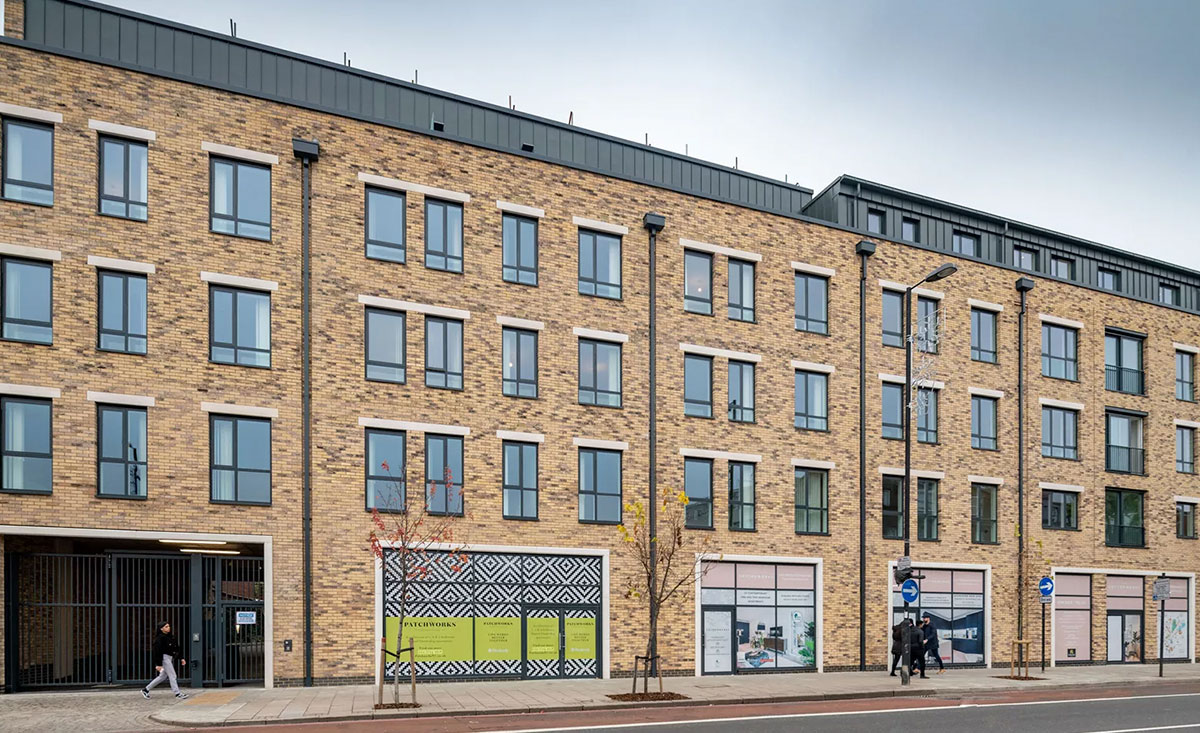
Advantages of Buying Off-Plan in London
Capital Growth Before Completion. When you agree on a price at exchange, that price is fixed. In areas undergoing active regeneration, property values can rise during the construction phase. By the time the building is complete (often 12 to 36 months later), your asset may already be worth significantly more than your purchase price.
Staggered Payment Schedule. Unlike completed homes that require immediate payment of the full balance, off-plan purchases allow you to spread your costs. You typically pay a 10% deposit at exchange, with the remaining 90% due only upon practical completion. This gives you extra time to build up savings or arrange financing.
Modern Design and Customization. Early buyers often get to select specific layouts, floor levels, and interior finishes. Developers typically offer choices for kitchen cabinetry, worktops, tiling, and flooring. Your finished home will also meet the latest UK building codes, resulting in better energy efficiency (EPC B or higher) and lower utility bills.
Lower Maintenance and Warranties. Moving into a brand-new home eliminates the need for immediate repairs or redecorating. Additionally, new builds come with structural protection. A 10-year warranty from providers like the NHBC covers structural defects, offering peace of mind that older properties cannot match.
Off-plan apartments for sale
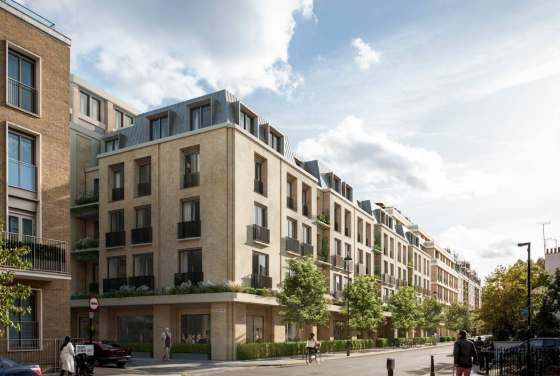
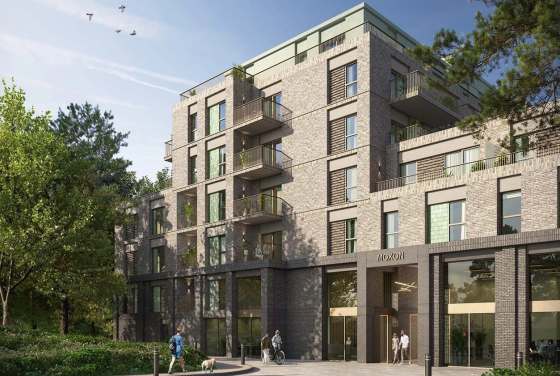




All off-plan new homes →
What are you looking for?
Step 1 of 6
ready to help you
What are you looking for?
How to Buy Off-Plan Property in London: 6-Step Guide
Purchasing an under-construction property is a straightforward legal process in the UK. Because you cannot inspect the physical property in person, following a structured sequence is essential.
Step 1 — Identify the Right Development
Focus on locations with solid infrastructure plans, such as those near the Elizabeth Line or within designated regeneration zones. Research the developer's track record by looking at their completed projects. A strong developer history reduces the risk of construction delays.
Step 2 — Secure New-Build Mortgage Advice
Consult a mortgage broker who specializes in new-build properties and use a mortgage payment calculator to estimate your monthly costs early. Standard UK mortgage offers are valid for only 6 months, whereas off-plan completions can take years. A specialist broker can find lenders who offer longer-term product valuations or flexible offer extensions.
Step 3 — Reserve Your Chosen Unit
Once you select an apartment, you pay a reservation fee (usually between £1,000 and £2,000) to secure it. This fee takes the unit off the market and freezes the price. The reservation fee is fully deducted from your final purchase price at completion.
Step 4 — Instruct an Experienced Solicitor
Hire a solicitor who has specific experience with new builds and off-plan contracts. They will review planning permissions, examine structural warranties, inspect ground rent terms, and ensure the contract contains a clear "longstop date" to protect your deposit.
Step 5 — Exchange Contracts and Pay the Deposit
Exchange usually takes place within 21 to 28 days of reservation. Your solicitor will guide you through signing the contracts, and you will transfer your 10% deposit. Once exchange is complete, both you and the developer are legally committed to the sale.
Step 6 — Prepare for Practical Completion
As construction nears completion, the developer will invite you to conduct a snagging survey to identify minor cosmetic defects that need fixing. When the developer issues the formal "notice to complete," your lender will release the remaining funds, you will pay any outstanding Stamp Duty, and you will receive the keys to your new home.
Why Opt for Off-Plan Property vs. Completed New Builds?
To help you decide which path aligns with your financial strategy, compare the core differences between buying off-plan and purchasing a completed new-build home:
| Comparison Metric | Off-Plan Property | Completed New Build |
|---|---|---|
| Purchase Pricing | Early-bird pricing is often set below future market value to attract early capital. | Priced at full current market value with little room for discount. |
| Capital Growth | High potential for capital appreciation during the construction phase. | Appreciation only begins after completion and purchase. |
| Occupancy Timing | Requires waiting for construction to finish (typically 12 to 36 months). | Ready for immediate move-in or immediate tenant placement. |
| Choice & Selection | Wide availability of units, allowing you to choose preferred floors, views, and layouts. | Limited availability of remaining unsold units in the development. |
| Customization | Ability to select colour palettes, kitchen specifications, and flooring materials. | Sold as-is with fixed finishes and pre-installed appliances. |
| Construction Risk | Possibility of build delays, protected by structural warranties and longstop dates. | Zero construction risk as the building is fully complete and inspected. |
Twenty-five years ago, purchasing a home that existed only on paper was a concept few buyers had heard of. Today, off-plan sales represent a significant and highly established segment of the London residential market. Institutional funds, foreign investors, and local families regularly choose off-plan properties to secure prime locations in the capital.
Market data shows a clear trend: off-plan purchases account for a substantial percentage of all new-build transactions in London each year. This reflects the confidence buyers place in the structural quality of modern developments and the long-term potential of the capital’s housing market.
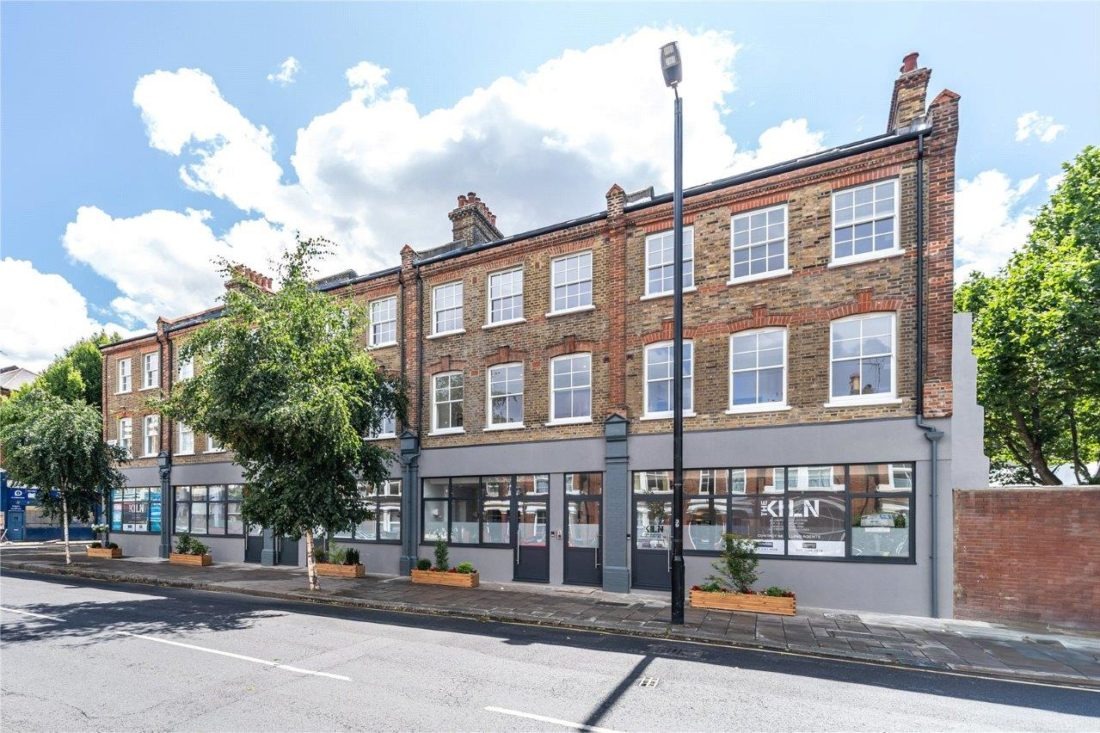
Managing the Risks of Off-Plan Purchases
While the financial gains can be substantial, buying an unbuilt property requires a realistic understanding of potential challenges. Construction delays and market fluctuations are the two primary risks that buyers face. However, the UK legal and regulatory framework provides robust safeguards to protect your investment.
Handling Construction Delays. Build timelines can slip due to material shortages or labour issues. To protect buyers, off-plan contracts contain a "longstop date." This is a legal deadline by which the developer must complete the building. If they fail to finish by this date, you have the right to terminate the contract and receive a full refund of your 10% deposit.
Guarding Against Insolvency. Buyers often worry about what happens if a developer goes out of business. Standard new-build contracts require your deposit to be held in a secure client account or backed by deposit protection insurance. Major warranty providers like the National House Building Council (NHBC) or Premier Guarantee protect deposit funds up to 10% of the purchase price (capped at £100,000) if a developer fails to complete the build.
Analyzing Market Fluctuation. If the wider property market declines during construction, the property could be valued at less than the agreed price at completion. To mitigate this risk, focus your search on high-demand hotspots with strong rental yields and long-term regeneration potential. Working with a specialist property advisor can help you analyze local trends and secure properties with the highest defensive value.
.jpg)
Frequently Asked Questions
FAQ
Yes. However, because standard UK mortgage offers expire after 6 months, buying off-plan requires a specific approach. You should secure a "new-build mortgage product" from a lender who offers longer validity periods (often up to 9 or 12 months) or a simple extension policy. Closer to completion, your mortgage advisor will re-apply to ensure your financing is ready for completion day.
A longstop date is a legally binding deadline in your purchase contract. While the developer will provide an estimated completion window (e.g., Q3 2026), the longstop date is the absolute limit for construction (e.g., Q3 2027). If practical completion is not achieved by this date, the buyer has the legal right to walk away from the purchase and reclaim their entire exchange deposit.
You agree on the price and exchange contracts early, but Stamp Duty Land Tax (SDLT) is only payable upon practical completion. You must file your return and pay the tax to HMRC within 14 days of the date you receive the keys. The tax is calculated based on the purchase price agreed at exchange, meaning any capital growth during the construction phase is entirely tax-free.
Snagging is the process of inspecting your new home for minor defects, cosmetic flaws, or installation errors before you officially move in. Your developer will invite you (or a professional snagging inspector) to conduct a walkthrough about two to three weeks before the completion date. The developer is legally obligated to rectify these issues before handing over the keys.
Yes, this process is known as "assigning the contract" or "flipping." It involves selling your right to purchase the property to another buyer before the completion date. If property prices have risen during construction, you can realize a profit on your initial 10% deposit. However, you must ensure the original developer contract explicitly permits assignment, and be aware of any associated developer consent fees.