
Property in:
LONDON
Key details
-
Geography Stretches from inner boroughs like Camden and Islington outwards through Brent and Barnet.
-
Transport Highly reliant on the Jubilee and Northern lines, supplemented heavily by the Thameslink for rapid cross-city transit.
-
Lifestyle Offers extreme variety, shifting from the busy night-time economy of Camden Town to the highly protected, quiet residential streets of Hampstead and Highgate.
-
Amenities Features massive green infrastructure, most notably Hampstead Heath, alongside prominent cultural and entertainment venues like Wembley Stadium.
-
Market Combines some of the capital's most expensive heritage housing in the inner ring with major new build regeneration zones further out in Colindale and Wembley.
Attributes
Modern, iconic, multicultural, reputable, popular, creative, live, vibrant, cosy, dignified, greenery and scenery, healthy lifestyle, affordable and luxury housing.
Local area map
Popular Commute Times
Big Ben 46m by train, 58m by car
Tower of London 59m by train, 70m by car
Hampstead Heaths 35m by train, 20m by car
Heathrow Airport 80m by train, 51m by car
Well Known Subways
Camden Town
Kilburn Park
Wood Lane
Kenton
Boundaries
North with St Albans
East with Islington
South with Kensington
West with Slough
Around The Block
North West London combines historic enclaves and massive regeneration zones, with starting prices from £360,000 to £4M+. Offering yields of 4.2%–5.8% and Jubilee line connections, the area features major build-to-rent and homeownership enclaves like North East Lands.

The area is currently managing a dual identity. On one hand, elite enclaves like St John’s Wood, Hampstead, and Highgate maintain their strict layout, dominated by large period homes, independent cafes, and strict conservation rules. These areas essentially operate as self-contained villages just minutes from the West End.
Conversely, boroughs further out are undergoing massive modern shifts. Colindale and Wembley are driving the volume of new residential development, transforming former industrial or commercial land into high-density neighborhoods. This push outwards brings first-time buyers and young professionals into the area, drawn by the fast Northern and Jubilee line connections.
New Property in North West London
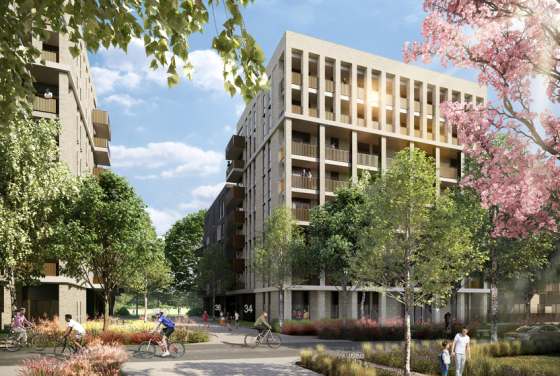
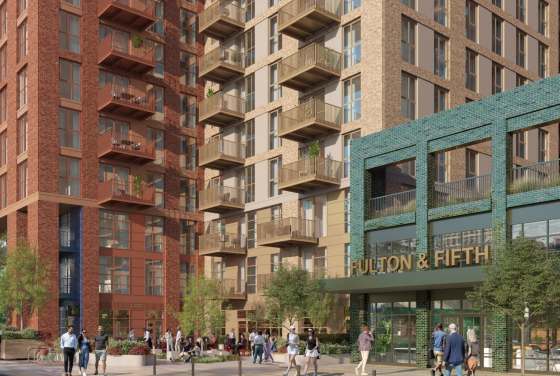
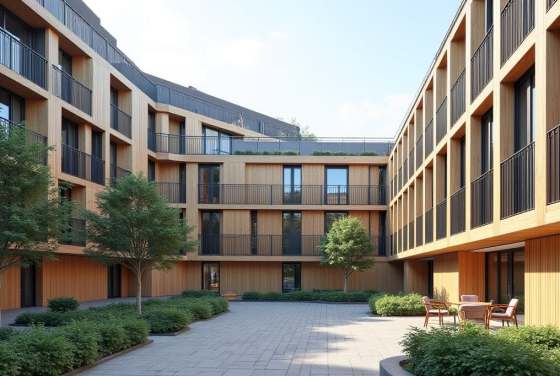
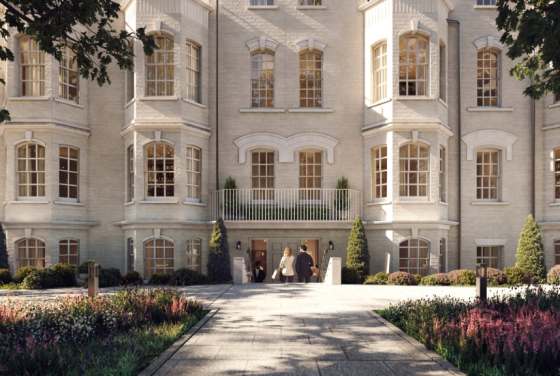
The residential market here is split between highly priced heritage properties and modern, amenity-rich apartment complexes. Due to strict planning laws around the Heath and St John's Wood, new build volume is heavily concentrated in the outer regeneration zones.
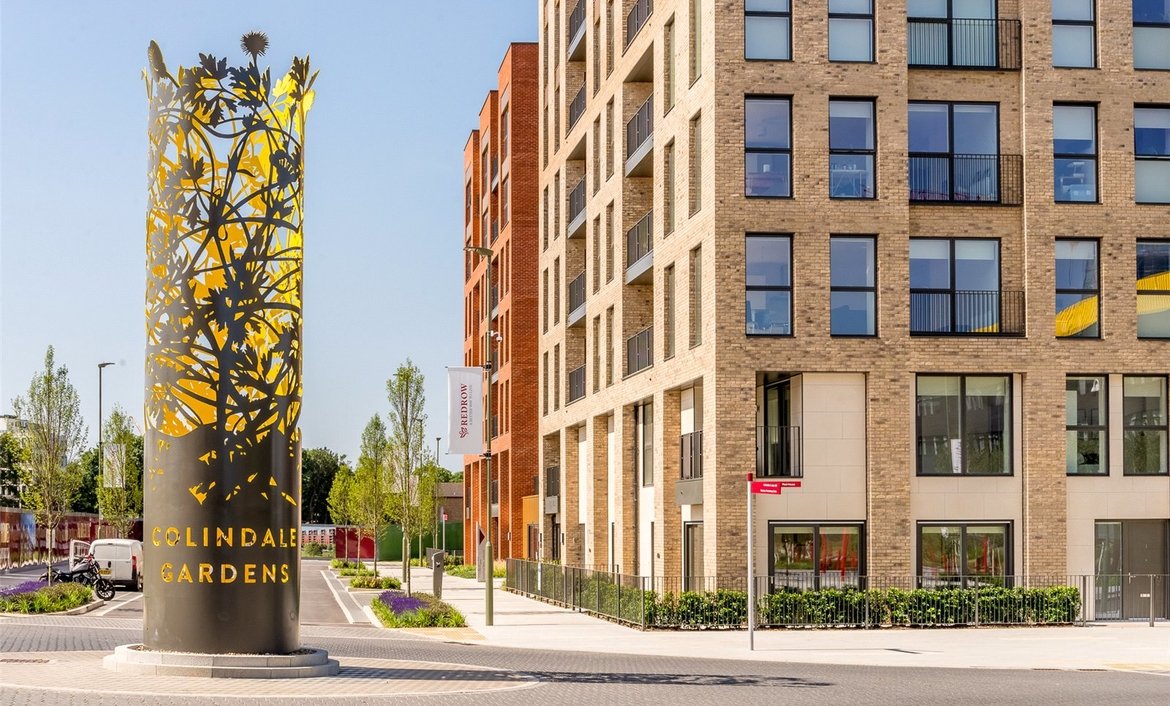
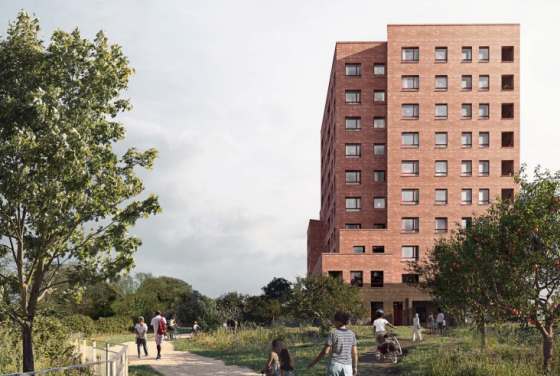
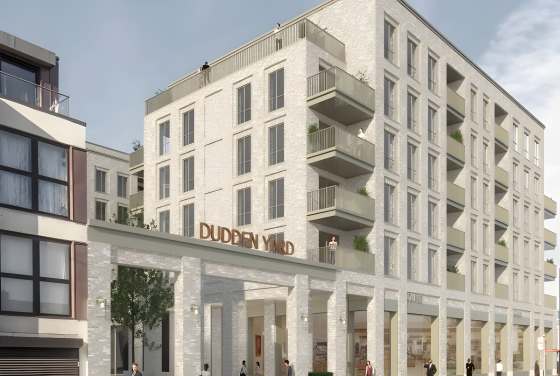
Wembley Park is at the center of this new wave, offering large-scale developments heavily targeted at renters and buyers seeking on-site convenience. Notable projects include North East Lands and Luna, located just off Engineers Way.
Further north, Colindale serves as another major hub for modern apartments. Projects like Heybourne Park appeal to those prioritizing slightly lower price points and fast Northern line commutes. For buyers wanting closer proximity to established green spaces, Granville Gardens in Golders Green offers premium positioning, while 42 Phoenix Road sits close to the major transport hub of Euston. Slightly deeper into the suburbs, The Alcove at The Rockery provides further options near Hendon.
Featured Hotspots in North West London
Hampstead Heath
A 320-hectare ancient park that serves as a major retreat for Londoners. Famous for its swimming ponds and the sweeping city views from Parliament Hill, it operates as the dividing line between urban London and the northern suburbs.

Camden Town
Historically rooted in counterculture, it remains one of London's major destinations for live music, vintage markets, and street food. Venues like The Roundhouse keep its cultural relevance intact.

Little Venice
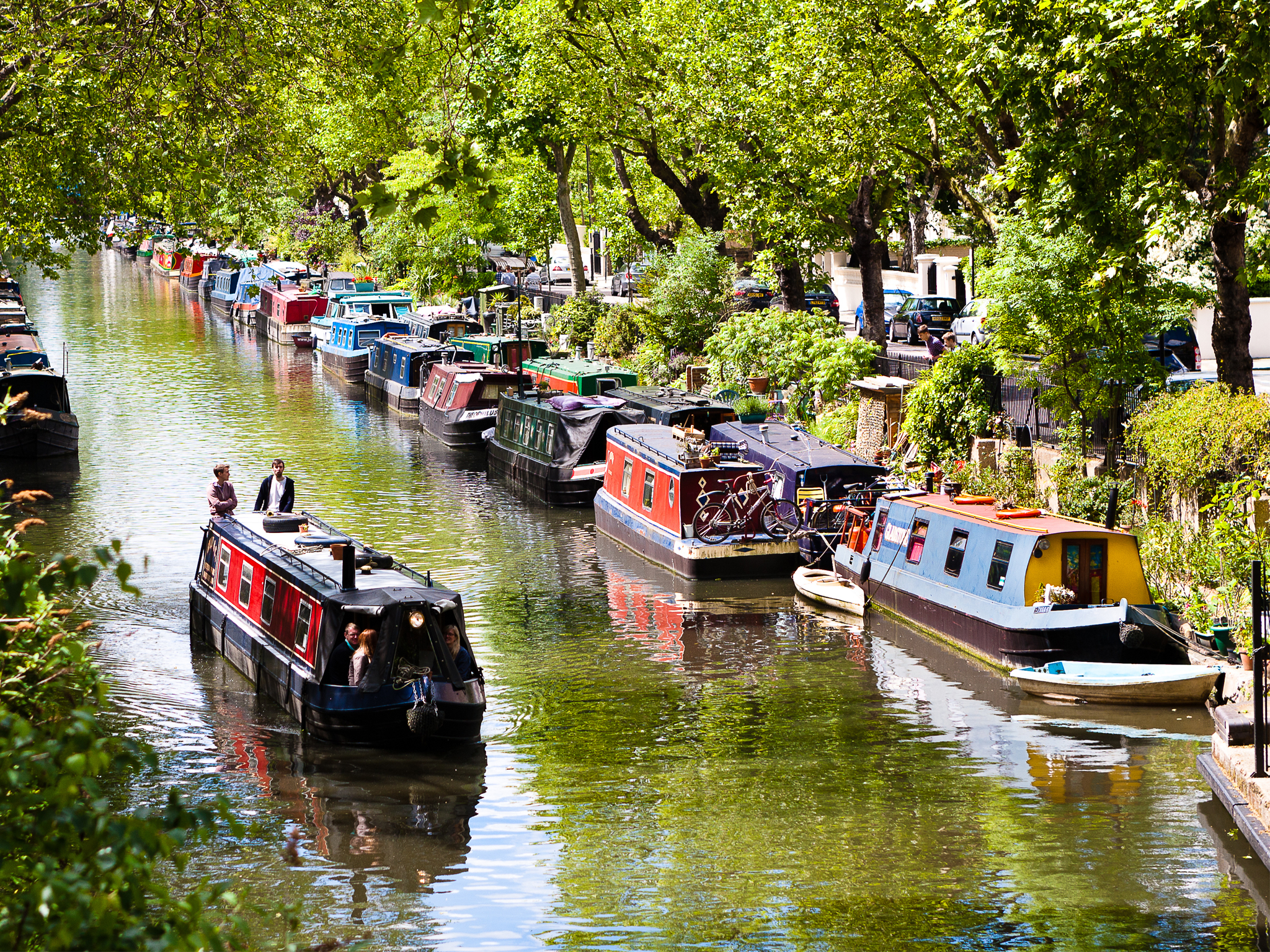
A highly picturesque residential pocket where the Grand Union and Regent’s Canals meet. The tree-lined banks are populated by houseboats, waterside cafes, and affluent stucco-fronted villas.
London Zoo & Regent's Park
Sitting on the edge of Camden, Regent's Park provides formal gardens and sports facilities, while housing the ZSL London Zoo. It marks a sharp contrast to the busy urban streets surrounding it.

North West London Transport Links
The area is fundamentally shaped by the Jubilee and Northern lines. The Jubilee line is critical for moving residents rapidly down to the West End, Waterloo, and Canary Wharf, making it the primary artery for commuters in Wembley and Swiss Cottage. The Northern line splits into two branches here, deeply connecting Camden, Belsize Park, and Colindale to the City of London.
Beyond the Tube, the Thameslink network acts as a hidden asset for the area. Stations like West Hampstead and Cricklewood provide rapid, cross-London rail services down to Gatwick Airport and Brighton, bypassing the standard Underground network.
For drivers, the North Circular (A406) and the A41 are the primary routes handling traffic flow in and out of the M1 motorway. Access out of London is typically straightforward, though the major junctions are prone to heavy delays during commuting hours.
Safety Settings
Safety levels vary predictably by postcode and density. Affluent enclaves like Hampstead, St John’s Wood, and Highgate consistently report low crime figures and benefit from robust neighborhood watch programs. Busier commercial districts like Camden Town and major transport interchanges inevitably log higher statistics, particularly around the night-time economy. The major new developments in Colindale and Wembley are generally designed with prominent security features, CCTV, and well-lit pedestrian pathways, creating secure micro-communities.
Frequently Asked Questions
FAQ
Is North West London a good place to live?
Yes. It offers an excellent balance of fast commutes via the Jubilee and Northern lines alongside access to some of the capital's largest green spaces, making it highly attractive for families and professionals alike.
Is North West London safe?
The area includes some of the safest and most affluent residential streets in London. Like any major city zone, the bustling high streets and late-night transport hubs require standard spatial awareness, but the neighborhood residential zones are very secure.
Which zone is North West London?
The area spans Zones 1 to 5. Central boundaries like Euston and Marylebone sit in Zone 1, Camden is Zone 2, while further suburban hubs like Colindale sit in Zone 4.
What are you looking for?
Step 1 of 6
Select the number of bedrooms
Select your budget
What is your purpose of purchase?
What is your preferred payment method?
When do you plan to move
Leave a request and assistant will select the property
A virtual assistant
ready to help you
ready to help you

What are you looking for?
New homes for sale in North-West London
Attributes
Modern, iconic, multicultural, reputable, popular, creative, live, vibrant, cosy, dignified, greenery and scenery, healthy lifestyle, affordable and luxury housing.