
Property in:
LONDON
Key details
-
Geography Encompasses distinct boroughs including Croydon, Sutton, Bromley, Lambeth, and Southwark.
-
Transport Relies heavily on National Rail. Major hubs like Clapham Junction and East Croydon offer rapid commutes to Central London.
-
Lifestyle Varies widely, from the fast-paced urban feel of Brixton to the quiet, community-focused suburbs of Surrey's border.
-
Amenities Features massive green spaces like Crystal Palace Park alongside deep retail infrastructure.
-
Market Generally offers better square-footage value than North London, attracting buyers looking for family homes or new commuter apartments.
Attributes
Contrast, non-uniform, balanced, welcoming, friendly, warm, something-for-all, peaceful, wide, broad, diverse, homely, foods, drinks, hotspots, new properties, residential developments, families, nightlife, greenery, parks.
Local area map
Popular Commute Times
Big Ben 43m by train, 33m by car
Nonsuch Park 69m by train, 34m by car
Crystal Palace Park 24m by train, 9m by car
Heathrow Airport 80m by train, 58m by car
Well Known Subways
Brixton
Clapham South
South Kensington
South Wimbledon
Boundaries
North with City of London
East with Dartford
South with Redhill
West with Hampton
Around The Block
South London offers exceptional square-footage value and extensive green spaces, with average starting prices from £300,000 to £900,000+. Relying heavily on Overground and National Rail networks, it yields 4.5%–5.8% and features major regeneration hubs like Botanical House.

Croydon sits at the centre of this shift. Previously known strictly as a commercial and administrative zone, a long-term masterplan has brought thousands of new homes, retail spaces like Boxpark, and a growing tech sector. The area now draws young professionals looking for high-speed rail links without the Zone 1 premium.
Further out, boroughs like Sutton and Bromley operate at a suburban pace. These neighborhoods are dominated by Edwardian and Victorian terraces, proving popular with families who prioritize proximity to strict grammar schools and the open greenery of the Surrey border.
New Property in South London
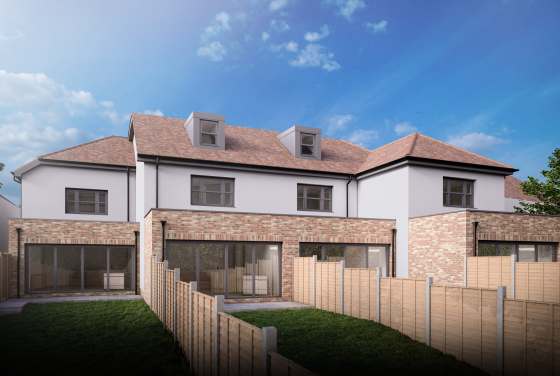
The sheer scale of South London means the new build market caters to a wide spread of budgets. The area consistently offers better value per square foot than equivalent postcodes north of the river.

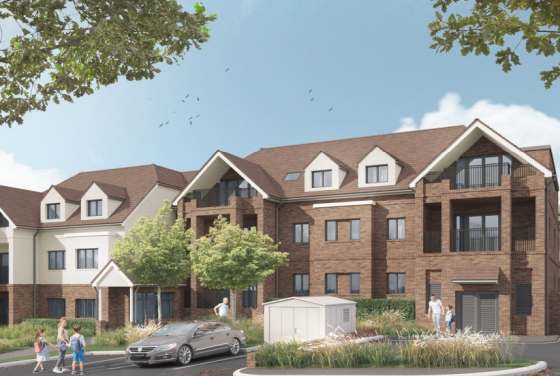
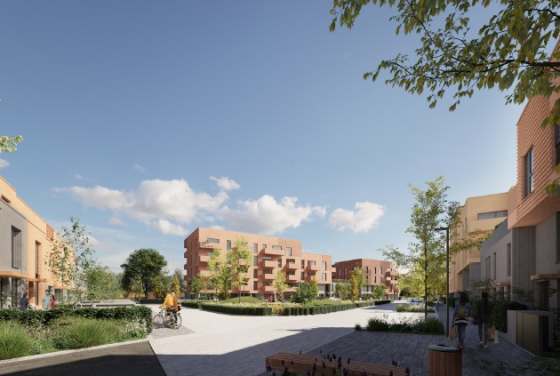
Croydon's regeneration has produced a strong pipeline of modern apartments heavily targeted at commuters. Buyers can find developments with extensive on-site amenities at Botanical House and Crescent Gardens.
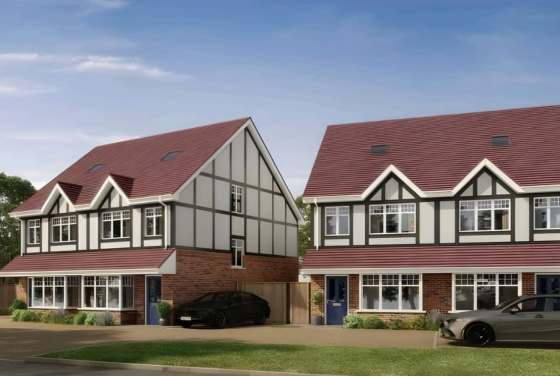
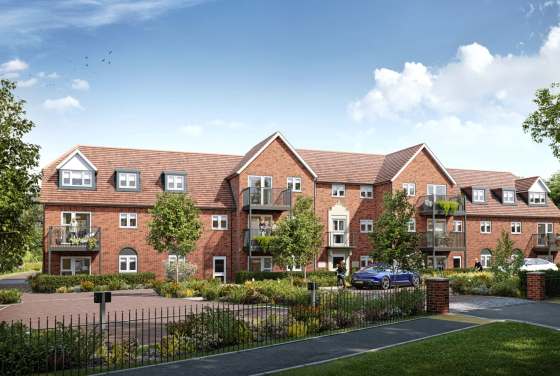
For those looking further south towards the leafy borders of Surrey, projects like Carriages, Medford House, and 88 Riddlesdown Road in Purley offer a much quieter setting. Meanwhile, Parkside Triangle provides options in the Wallington area for buyers focused on local schools and parks.
Featured Hotspots in South London
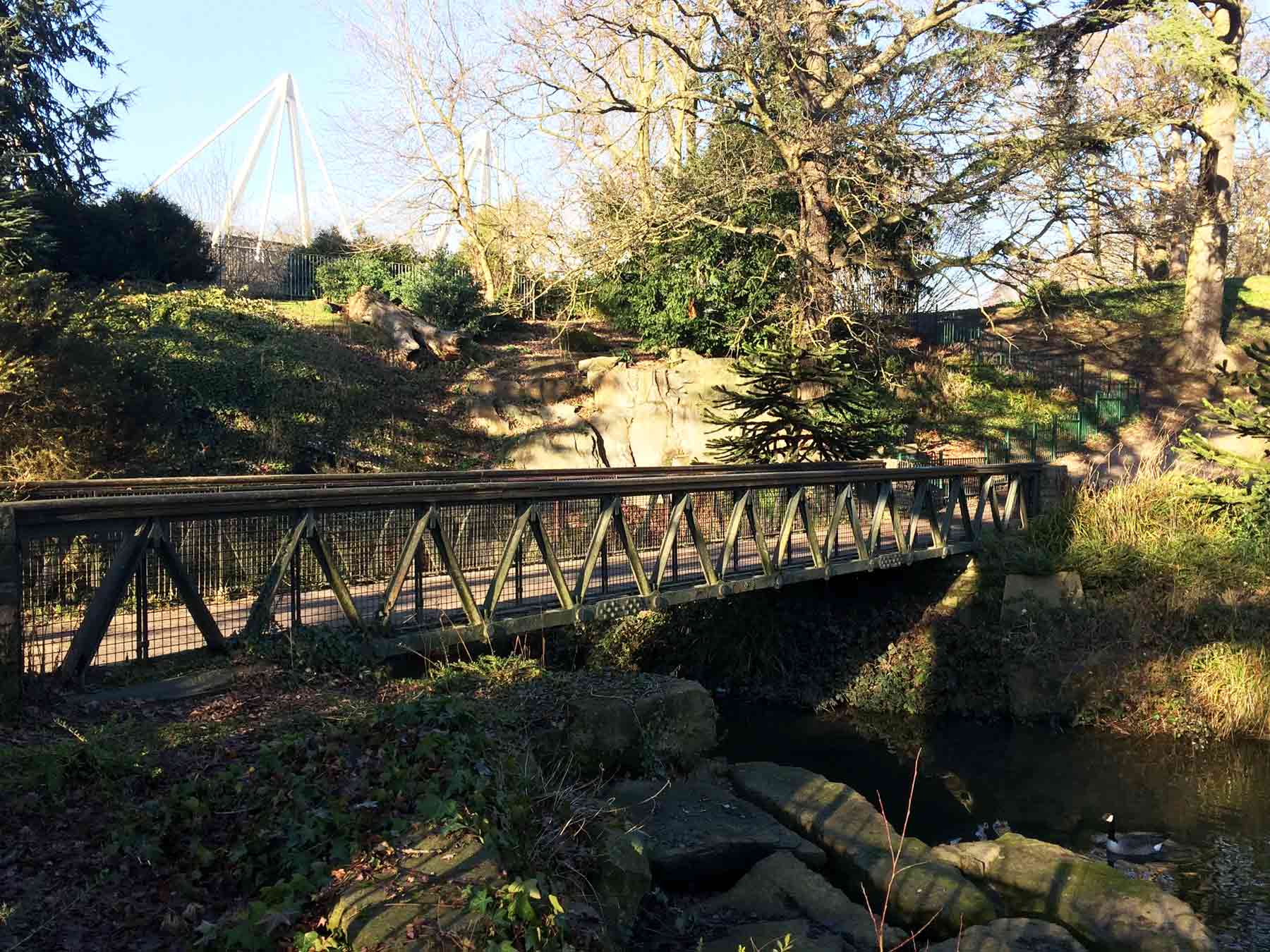
Crystal Palace Park
A massive Grade II listed park in Bromley, recognized by its Victorian dinosaur sculptures and the National Sports Centre. It is a major draw for weekend walks, sports clubs, and local events.
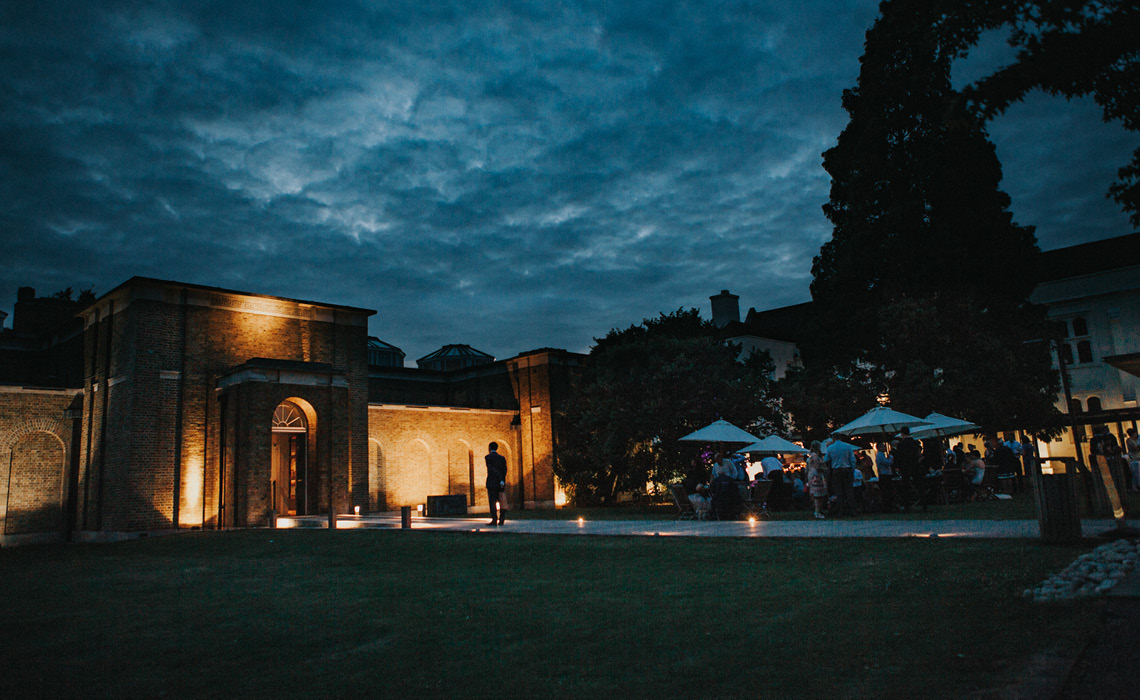
Dulwich Picture Gallery
Located in the affluent Dulwich Village, this is the world's first purpose-built public art gallery, founded in 1811. The surrounding area offers a distinct village atmosphere just a short train ride from Central London.
Boxpark Croydon & Matthew's Yard
Croydon's cultural offerings have shifted significantly. Boxpark provides a concentrated hub of street food, while Matthew's Yard serves as a daytime workspace and a nighttime venue for local arts.
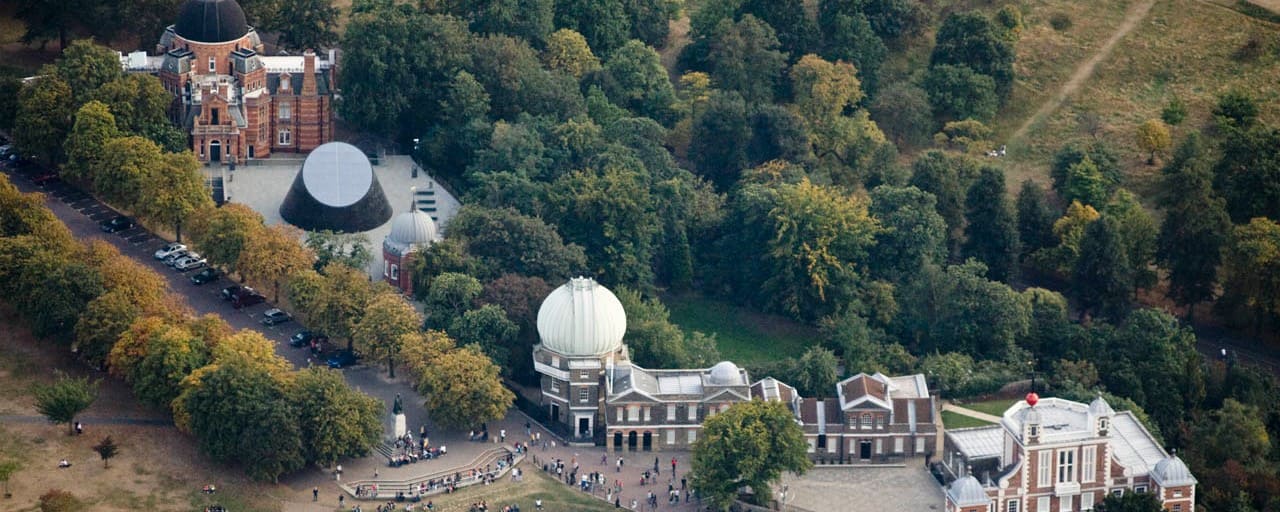
The Royal Observatory, Greenwich
While Greenwich straddles the east and south, it remains a major destination. The Observatory marks the Prime Meridian Line, set within a massive UNESCO World Heritage park offering major city views.
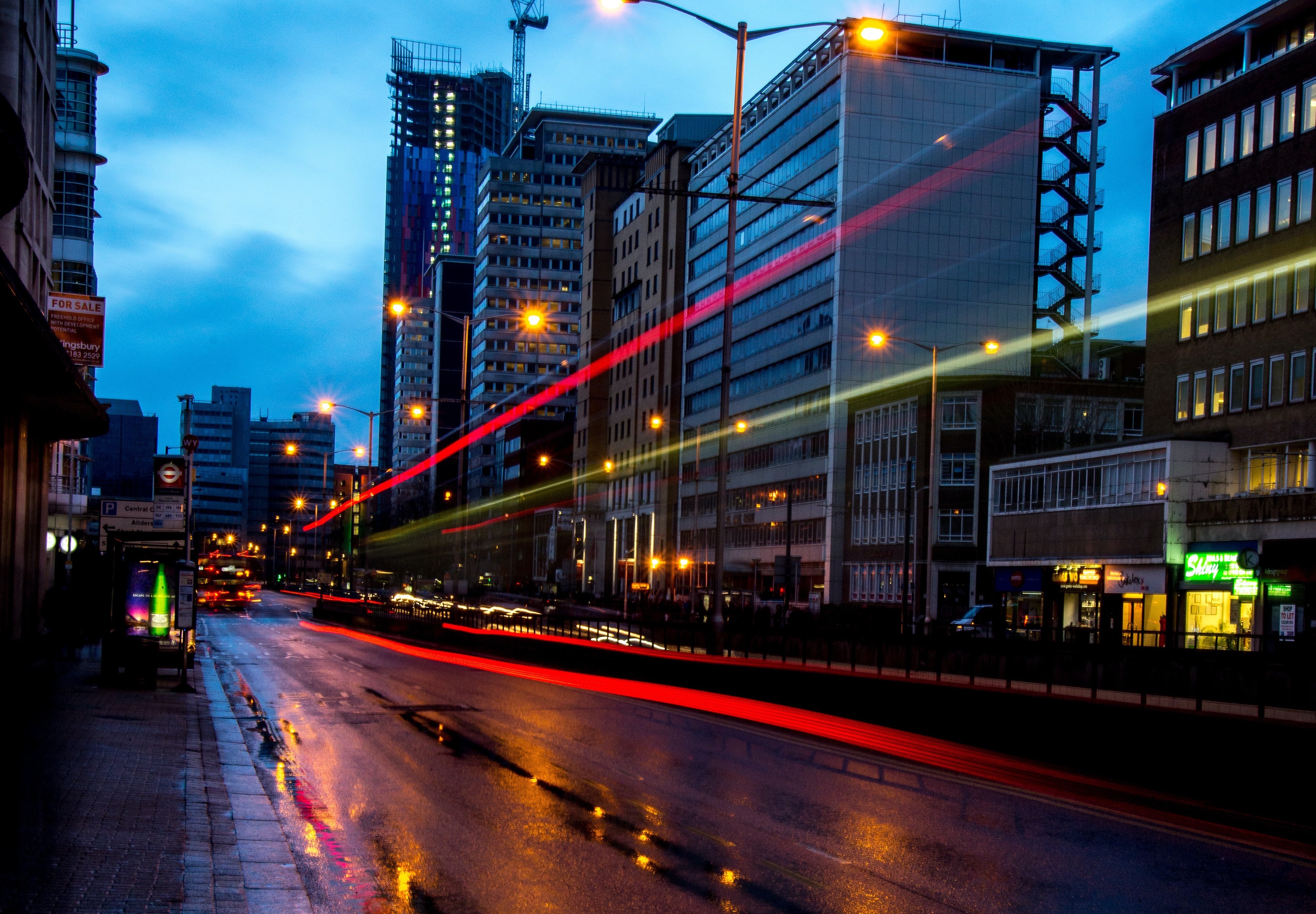
South London Transport Links
Unlike North London, South London relies heavily on an extensive system of Overground and National Rail commuter trains rather than the Tube.
Clapham Junction operates as one of Europe’s busiest stations, providing connections across the entire city and out towards the south coast. East Croydon serves as another major arterial hub, running fast trains into London Victoria or London Bridge in about 15 minutes, with Gatwick Airport roughly 20 minutes away.
For local transit, the Tramlink network connects Wimbledon through Croydon to Beckenham. The Northern and Victoria Tube lines do cross the river, serving key areas like Clapham, Brixton, and South Wimbledon.
Safety Settings
As South London covers dozens of neighborhoods, the environment changes block to block. Suburbs like Sutton and Dulwich consistently log crime rates far below the London average. Major urban centers like Brixton and Croydon see higher statistics, but these are largely concentrated around the transport hubs and late-night high streets. Ongoing regeneration typically brings improved street lighting, CCTV, and community infrastructure to previously neglected patches.
Frequently Asked Questions
FAQ
Is South London a good place to live?
Yes, it is highly practical for buyers looking for space and value. While transport relies more on trains than the Tube, the rail connections are fast and direct, making it a solid choice for commuters and families.
Is South London safe?
Safety varies widely depending on the borough and specific street. The outer boroughs rank among the safest in London, while the busier transport hubs require standard city awareness. Overall, the area is safe for residents.
Which zone is South London?
South London is vast and spans across Zones 1 through 6. Central riverside areas like Waterloo and London Bridge sit in Zone 1, while suburban hubs like East Croydon fall into Zone 5.
What are you looking for?
Step 1 of 6
Select the number of bedrooms
Select your budget
What is your purpose of purchase?
What is your preferred payment method?
When do you plan to move
Leave a request and assistant will select the property
A virtual assistant
ready to help you
ready to help you

What are you looking for?
New homes for sale in South London

Attributes
Contrast, non-uniform, balanced, welcoming, friendly, warm, something-for-all, peaceful, wide, broad, diverse, homely, foods, drinks, hotspots, new properties, residential developments, families, nightlife, greenery, parks.