
Property in:
LONDON
Key details
-
Geography Spans from prime inner boroughs like Kensington and Chelsea down through Wandsworth, Lambeth, and Richmond.
-
Transport Heavily serviced by the District and Northern lines, supported by major National Rail hubs like Clapham Junction and Waterloo.
-
Lifestyle Offers a sharp contrast between the formal, high-net-worth lifestyle of Knightsbridge and the buzzing, creative nightlife of Brixton and Clapham.
-
Amenities Home to international landmarks including Battersea Power Station, Wimbledon Tennis Club, and expansive greenery like Richmond Park and Wandsworth Common.
-
Market Dominated by multi-million-pound heritage estates in the north, shifting into massive riverside regeneration masterplans and affluent family housing further south.
Attributes
Something-for-all, spacious, diverse, green, promising, upcoming, impressive, welcoming, friendly, playful, popular, down-to-earth, more affordable.
Local area map
Popular Commute Times
Big Ben 28m by train, 34m by car
Tower of London 45m by train, 47m by car
King George’s park 25m by train, 30m by car
Heathrow Airport 41m by train, 29m by car
Well Known Subways
Richmond
West Acton
Holland Park
Fulham Broadway
Boundaries
North with Acton
East with Dulwich
South with Redhill
West with Woking
Around The Block
South West London (Zones 1-6) is a premier residential sector, with new build prices from £350,000 in commuting hubs to over £5M in Belgravia. Offering yields of 4.1%–5.5% and District line access, it features riverside regeneration hubs like Koa at Electric Boulevard.
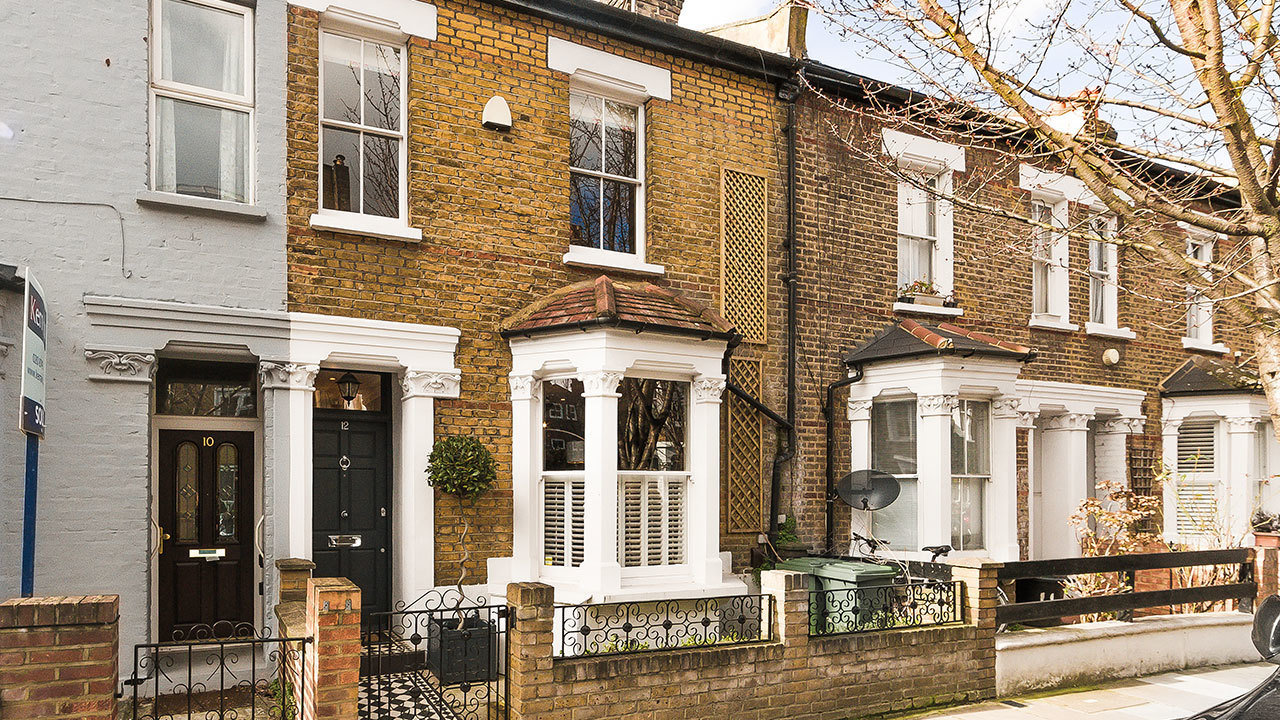
Moving further south and west along the river, the atmosphere shifts from formal wealth to wealthy family-centric zones. Areas like Wandsworth (often referred to locally as 'Nappy Valley') and Wimbledon are dominated by spacious period homes, top-tier independent schools, and massive parks. These boroughs draw established professionals looking for a village-like atmosphere while maintaining fast access to the West End.
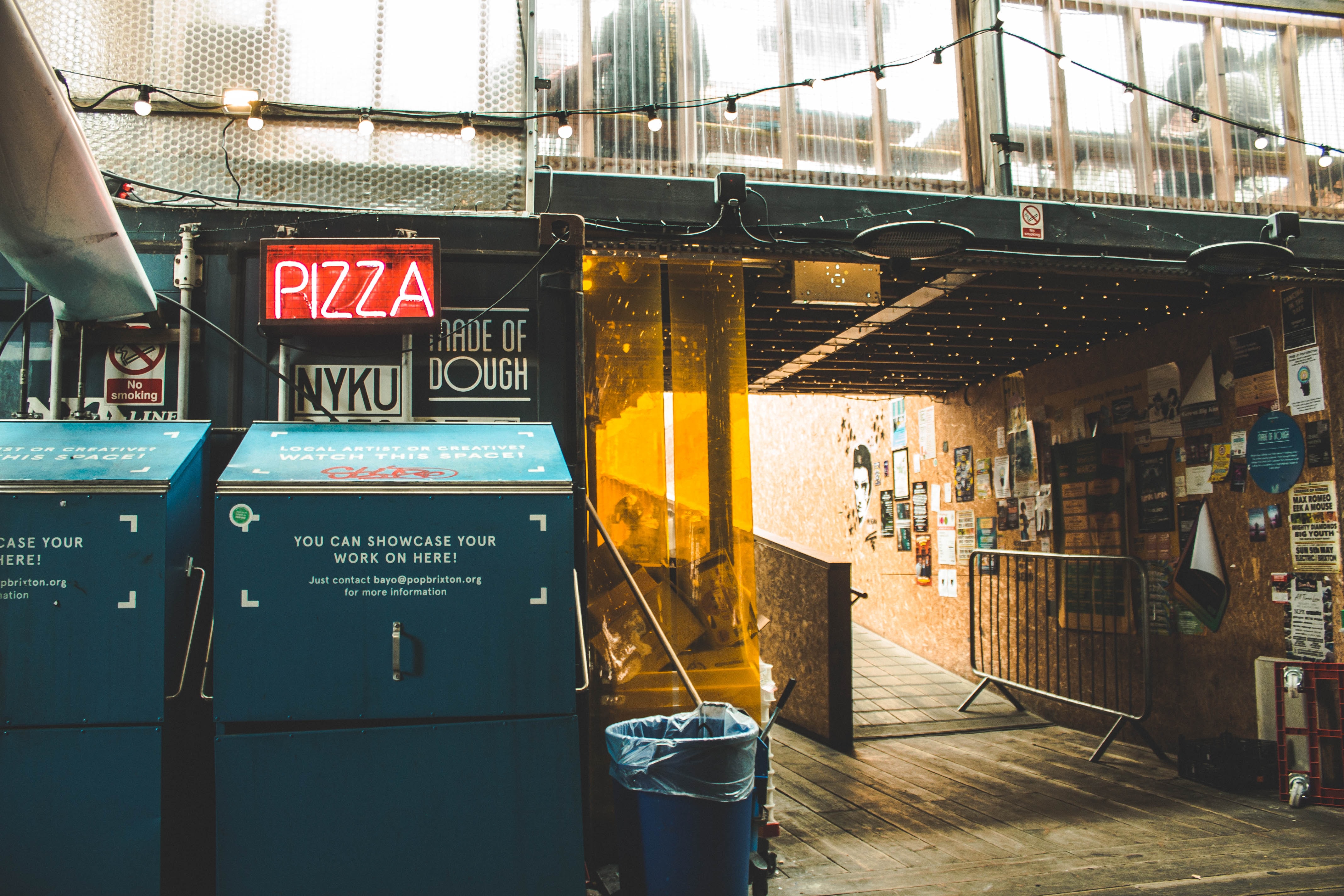
Simultaneously, neighborhoods like Brixton and Clapham provide an entirely different energy. Driven by a young professional demographic, these areas represent the cultural and nightlife heart of South West London. Brixton brings independent markets, live music venues, and an intense community feel, while Clapham acts as a major residential and social hub for recent graduates.
New Property in South West London
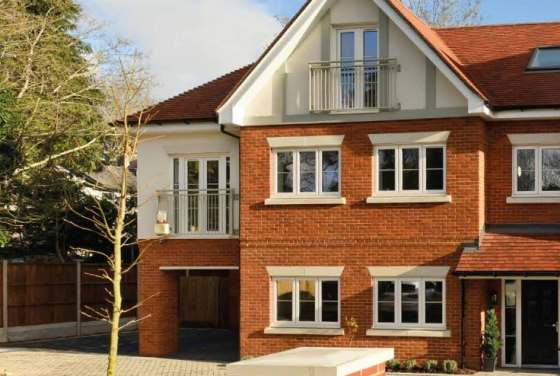
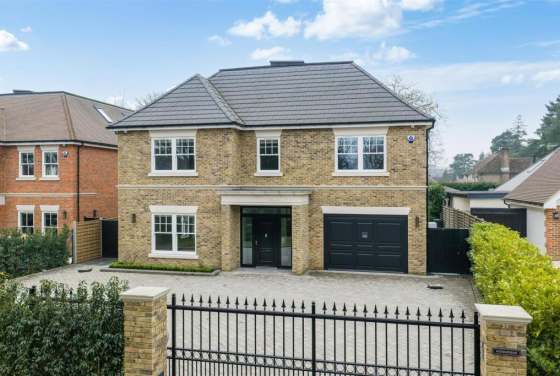
The local property market is experiencing huge shifts, largely driven by riverfront regeneration. Traditional period homes still command the highest premiums, but new build developments are rapidly altering the skyline and buyer opportunities.
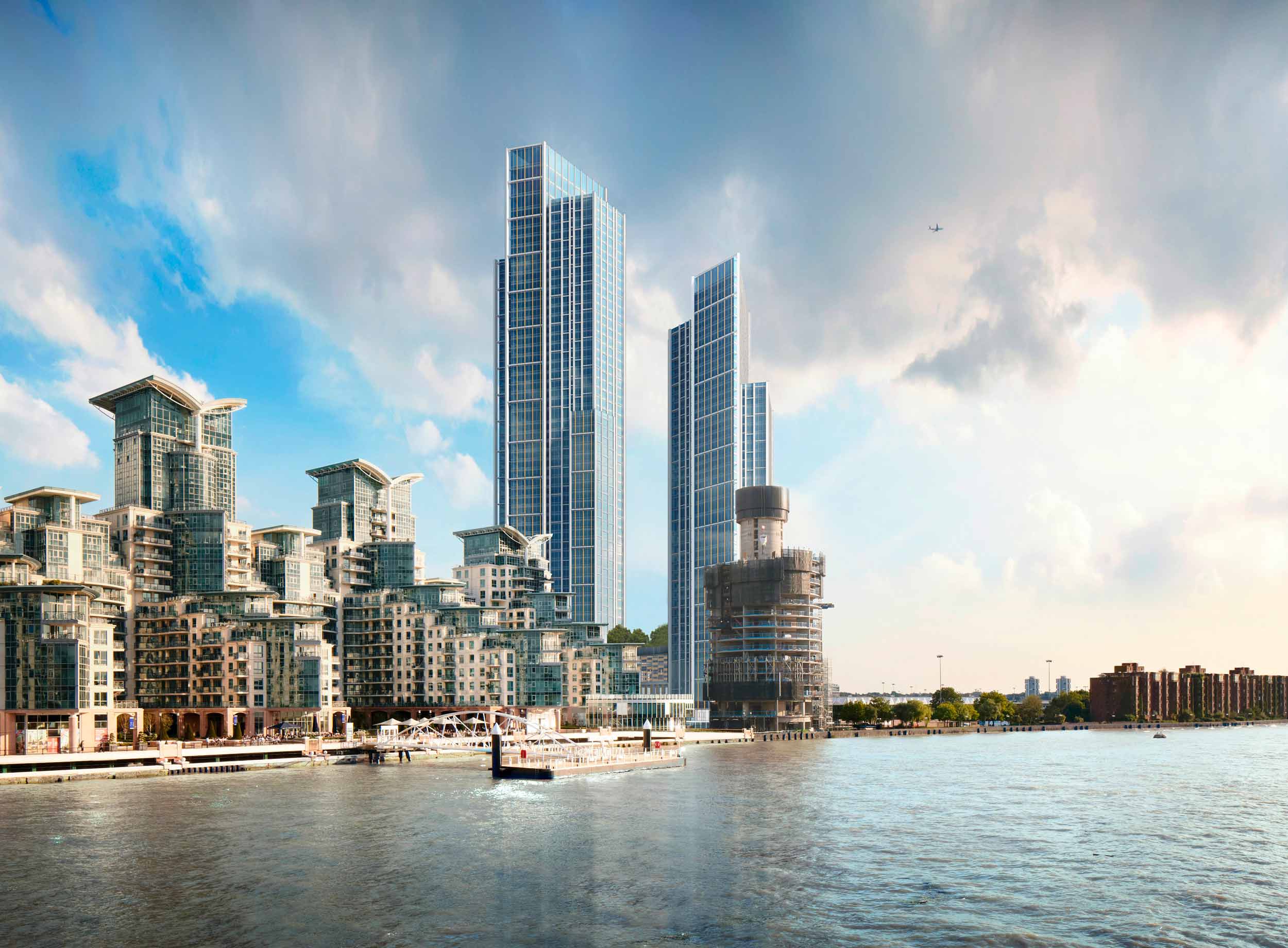
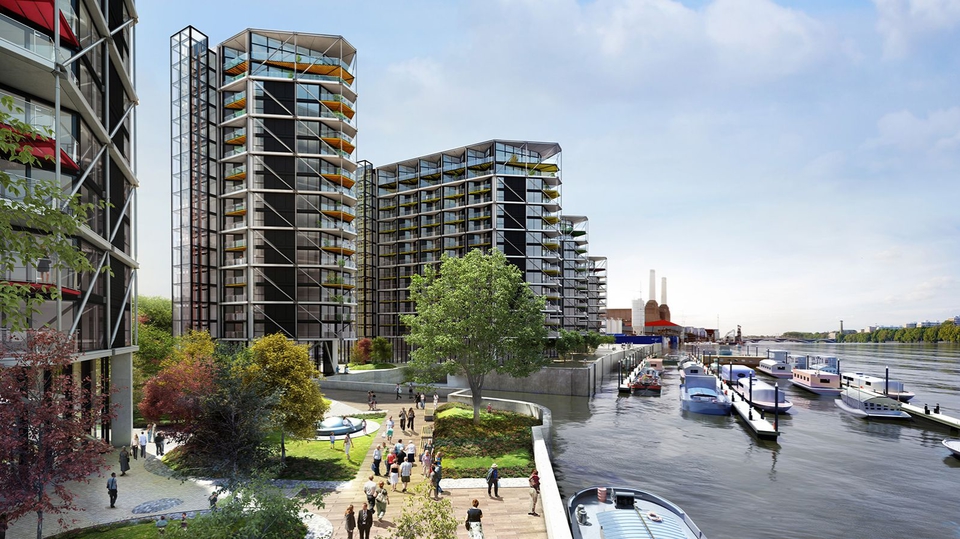
The epicenter of this transformation is Nine Elms and Battersea. This £15bn regeneration zone has delivered entirely new neighborhoods. Projects like Koa at Electric Boulevard sit right next to the newly restored Battersea Power Station, offering luxury living directly on the new Northern line extension. Similarly, waterfront projects like Lighterman Towers in Imperial Wharf provide premium Thames views just across from Chelsea.
For prime central buyers, boutique off-plan and ready-to-move projects like 41-43 Beaufort Gardens in Knightsbridge or Ninety Sloane Avenue in South Kensington offer hyper-luxury finishes in highly protected conservation areas.
Further south, developers are targeting the family and commuter markets. Developments like Northcote in Clapham cater to young professionals, while High Path in Wimbledon Chase offers modern amenities in traditional family-oriented postcodes.
Featured Hotspots in South West London
Richmond & Kew
Bordering the western edge, Richmond features wild deer parks and riverside pubs, while Kew houses the world-famous UNESCO Botanical Gardens. It is the pinnacle of suburban waterfront living in London.
Wimbledon
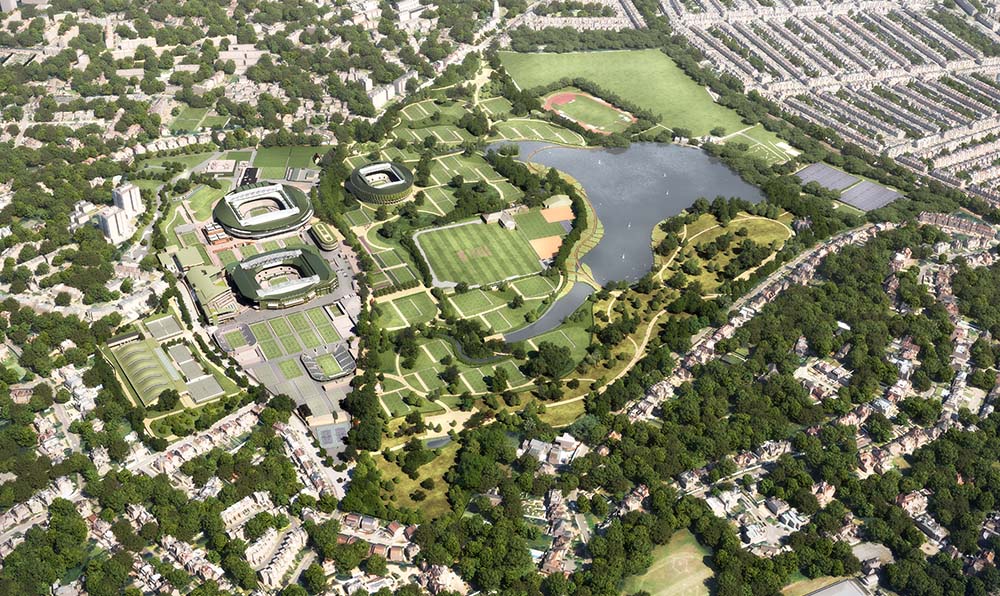
Globally recognized for its tennis championships, Wimbledon Village operates as a highly exclusive, leafy residential enclave surrounded by massive commons and boutique high streets.
Battersea Power Station
Recently transformed from a derelict industrial site into a massive leisure, retail, and residential complex. It has shifted the center of gravity in South West London, becoming a major weekend destination.
Putney
A quieter riverside borough known heavily for its rowing clubs, running trails along the Thames, and a solid mix of traditional pubs. Highly favored by wealthy young families.
South West London Transport Links
Transport heavily dictates property values here. The Northern line is a major artery, particularly with its recent extension through Nine Elms to Battersea Power Station, radically improving commute times into the City and West End. The District line handles the flow from Wimbledon, Putney, and Fulham up into central stations.
Crucially, the area relies on major National Rail connections. Clapham Junction is one of the busiest interchange stations in Europe, routing massive commuter flow directly into London Victoria and London Waterloo in under 10 minutes.
For international travel, residents benefit from straightforward access to Heathrow Airport via the A4/M4 corridor, or Gatwick Airport via the rapid rail links out of Clapham Junction and Victoria.
Safety Settings
South West London generally enjoys a strong reputation for safety, largely due to its high concentration of affluent, family-oriented neighborhoods. Areas like Richmond, Wimbledon, and Putney consistently rank among the safest districts in the capital. Prime central postcodes like Knightsbridge are heavily monitored, though they can occasionally attract targeted property crime due to the visible wealth. Busier transport hubs like Clapham Junction and late-night economies in Brixton naturally report higher incident rates, requiring standard urban spatial awareness.
Frequently Asked Questions
FAQ
Is South West London a good place to live?
Yes. It is consistently ranked as one of the most desirable areas in London, balancing the luxury of prime central neighborhoods with the incredible green spaces and family-friendly environments of Richmond and Wandsworth.
Is South West London safe?
The vast majority of the area is exceptionally safe. The affluent suburban pockets are highly secure and community-focused. However, busy high streets and major transport interchanges in areas like Brixton and Clapham operate like standard bustling city zones.
Which zone is South West London?
The area covers Zones 1 through 6. Knightsbridge and Belgravia represent Zone 1, Clapham and Battersea sit across Zone 2, Wimbledon is Zone 3, and areas stretch outward to Richmond in Zone 4.
What are you looking for?
Step 1 of 6
Select the number of bedrooms
Select your budget
What is your purpose of purchase?
What is your preferred payment method?
When do you plan to move
Leave a request and assistant will select the property
A virtual assistant
ready to help you
ready to help you

What are you looking for?
New homes for sale in South-West London


Attributes
Something-for-all, spacious, diverse, green, promising, upcoming, impressive, welcoming, friendly, playful, popular, down-to-earth, more affordable.