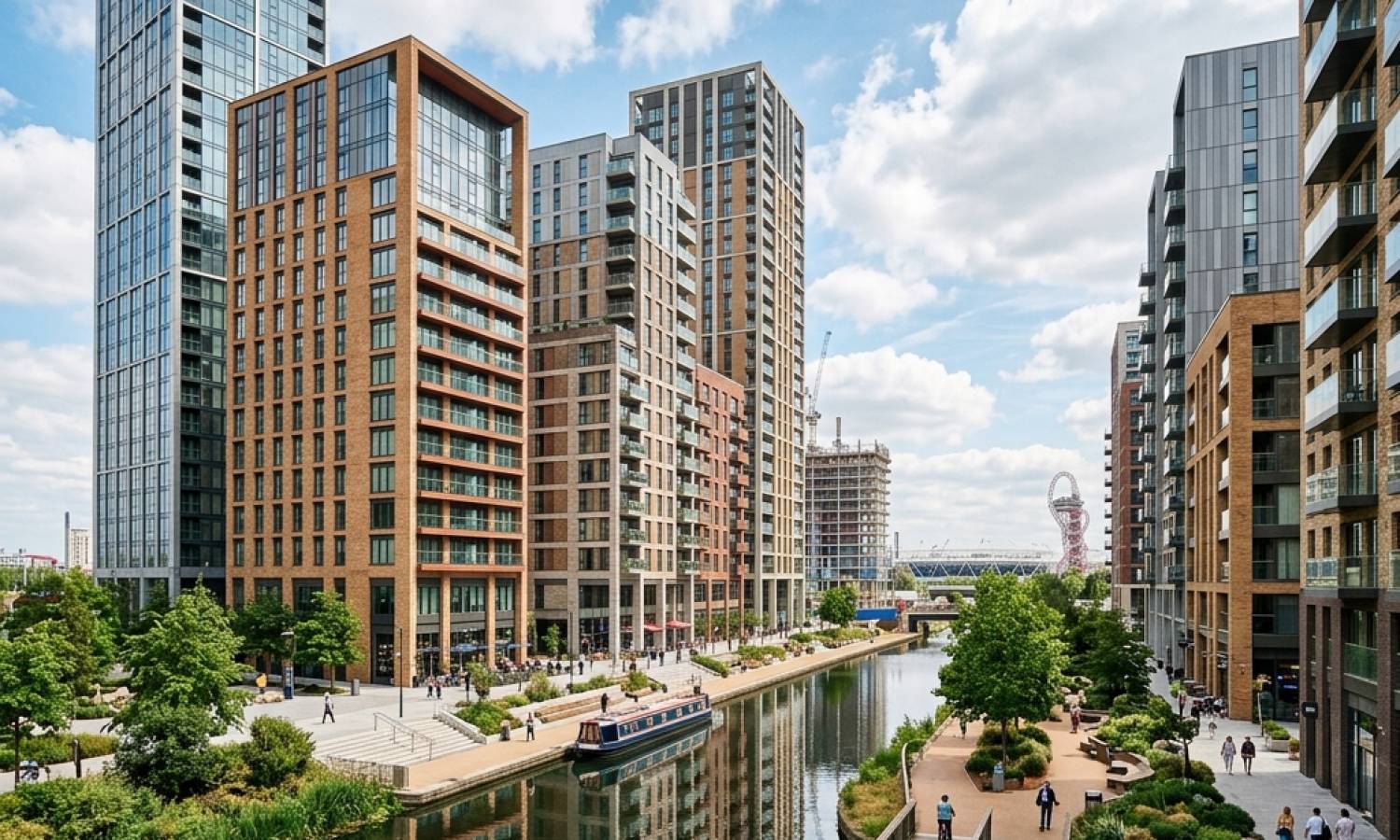
East London’s 2026 Regeneration Zones: The Best Spots to Buy Off-Plan for Yield Growth

East London is still driving the capital’s redevelopment push in 2026. Rapidly changing patches across Newham, West Ham, and Stratford are drawing in buyers who want to buy off-plan in London to secure solid rental yields and early capital growth.
The success of Stratford’s post-Olympic makeover proved that massive urban regeneration works. Today, however, the newer building phases in adjacent neighborhoods offer much more sensible entry prices for anyone looking at modern new developments London.
Buying an off-plan property means you lock in today’s price before the new schools, public plazas, and local shops are actually built. By the time you get the keys, the area has grown up around the building, naturally raising the property’s market value.
Gross rental yields in these regeneration zones now hover between 5.5% and 6.5%. That easily beats the measly 3% to 4% you see in central London's prime spots.
But here is the catch: regeneration is a slow game, and delays are incredibly common. You need to verify the timelines for local transport upgrades and stay away from massive, oversaturated masterplans where hundreds of identical flats will flood the rental market at the exact same time.
Practical Takeaways for Buyers:
- Skip the mature hubs: Stratford is already established and expensive. Focus on nearby West Ham or Custom House, where starting prices are still 10% to 15% lower.
- Do a background check on the builder: When buying off-plan, look up the developer's history of completing projects on time. A glossy brochure doesn't guarantee a completion date.
- Stick to transport lines: Buy only within a ten-minute walk of a major station. Corridors along the DLR or the Elizabeth Line are your best bet for keeping tenant demand high.
The Final Takeaway
In East London's fast-changing market, the biggest profits go to investors who buy based on what a neighborhood will look like in five years, not what it looks like today.