London New Build Market 2026: Balancing Central Prestige with Outer Zone Yields

London property buyers in 2026 face a clear choice. Do they invest in central areas for stability and prestige, or do they look to outer regeneration zones where entry prices are lower and rental yields are higher?
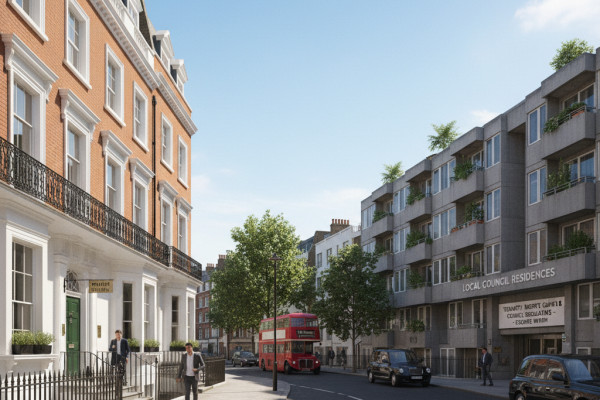
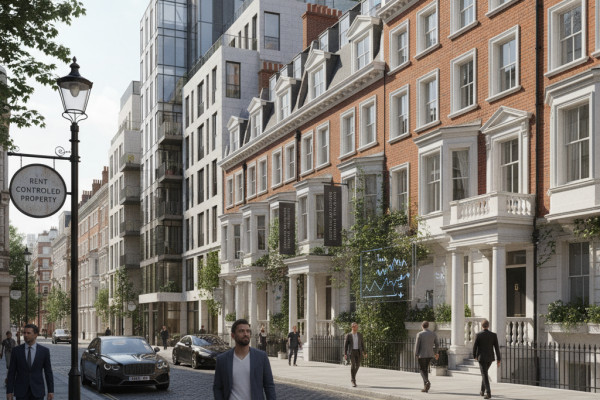
Historically, central locations like Westminster and Chelsea have been the standard choice for wealthy buyers. However, high purchase prices and low yields are forcing many investors to look further out. At the same time, massive construction projects in areas like Wembley and Walthamstow have created new residential hubs. Here is how these two sides of the London market compare.
The status of Central London property
Prime Central London remains a safe haven for capital. Buyers looking for security and long-term value preservation still focus on new developments central london. While the initial purchase costs are high, these properties tend to hold their value well during broader market downturns.
Suburbs in the south-west, such as Richmond and Wandsworth, also remain highly popular. Families and young professionals looking for green spaces and quick city access keep driving demand for new builds south west london. The catch here is the return on investment. Average rental yields in central zones hover around 3.5%, and high service charges can significantly reduce net income.
Chelsea: the luxury standard
For buyers set on prime locations, Chelsea represents the peak of the luxury market. Demand for apartments here is driven by international capital and wealthy domestic buyers.
If you want a prestigious address, securing a 1 bed flat for sale chelsea is a common goal. However, you will pay a massive premium for the postcode. Most new developments here are boutique projects, meaning units are limited and competition is fierce. Space is limited, so buyers must accept smaller layouts in exchange for the prime location.
High-growth regeneration in the outer zones
Outer-zone regeneration areas offer a completely different financial picture. High-density, modern developments have turned former industrial lands into massive new neighbourhoods.
In the north-east, Walthamstow has become a primary target for first-time buyers. The addition of new parks, shops, and schools has increased the popularity of new builds in walthamstow. Travel times on the Victoria line are short, while property prices are much lower than in Zone 1.
Wembley in the north-west offers similar advantages. The area around the stadium has seen huge investment. For instance, buying a 2 bedroom flat for sale in wembley can deliver rental yields above 5%.
The trade-off is the density. Some buyers find the high-rise towers in Wembley Park feel a bit industrial, and the local transport links can become overcrowded on match days.
Shopping for flats in 2026
Whether you choose a central postcode or an outer zone, flats remain the practical choice for most Londoners. High prices mean houses are out of reach for many.
When searching for new flats for sale london, it is crucial to look past the marketing brochures. Check the energy performance certificate (EPC) and the details of the 10-year warranty. Outer-zone flats often feature better energy efficiency ratings than central period conversions, helping to keep running costs down.
The Verdict
The choice between central areas and outer zones depends on your timeline. If you want a secure asset to hold for the long term, Central London and Chelsea remain the best choices. If you need higher monthly rental income and faster initial capital growth, Wembley and Walthamstow offer better short-term potential.
London Property Facts to Share:
- The Yield Contrast: Modern flats in Wembley regularly deliver rental yields of 5.2% in 2026, compared to just 3.5% for premium new builds in Central London.
- The Postcode Premium: A one-bedroom flat in Chelsea can cost the same as a spacious two-bedroom property in Walthamstow, despite the latter offering a faster commute to Oxford Circus.
- Energy Efficiency Savings: Over 85% of outer-zone new build apartments carry an EPC rating of B or higher, saving buyers an average of £1,200 a year in heating costs compared to older central conversions.