Rent vs. Buy in 2026: A Zone 2 Tenant and a Zone 4 Buyer Debate the Economics of London’s Outward Move

The debate between renting centrally and buying in the outer suburbs is more intense than ever. With the Bank of England holding interest rates at 3.75% and average rents in Zone 2 reaching record heights, first-time buyers face a tough choice.
To explore the real-world economics of this choice, we spoke with two Londoners. Sarah, a marketing manager, rents a Victorian flat share in Clapham (Zone 2). James, a software engineer, recently purchased a new build one-bedroom flat in Bromley (Zone 4). Here is their debate on space, costs, and lifestyle.
Round 1: Monthly Cash Flow and the Cost of Commuting
Sarah (Zone 2 Tenant):
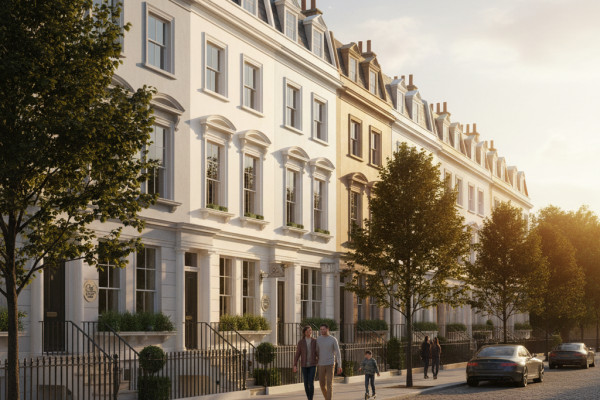
"For me, renting in Clapham is about lifestyle and convenience. I pay £1,200 a month for my room in a shared Victorian house. My commute to our office in Waterloo is a fifteen-minute tube ride, costing me about £80 a month on my Oyster card. I do not have to worry about service charges, buildings insurance, or boiler repair bills. If something breaks, I text the landlord. Renting gives me the cash flexibility to enjoy central London without being tied down by a heavy mortgage."
James (Zone 4 Buyer):
"I used to rent a small flat in Brixton, so I understand the appeal. But my landlord raised the rent by 15% last year, which forced me to rethink. I bought a one-bedroom apartment in South East London. My mortgage payment is £1,300 a month, and my service charge is £140. Yes, my travel card from Bromley into London Bridge costs £165 a month, which is more than yours. However, a significant portion of my monthly mortgage payment goes toward paying down the principal debt. I am building equity in my own home instead of paying off a landlord's mortgage."
Round 2: The Deposit Hurdle and Schemes
Sarah:
"Building equity sounds great, James, but how did you afford the deposit? The average deposit for first-time buyers in London is over £90,000. Renting allows me to live my life today. If I wanted to buy a place similar to my rental in Clapham, I would need a massive deposit that would take me ten years to save. I would rather invest my spare savings in ISAs and stocks than lock all my cash into a single brick-and-mortar asset."
James:
"You do not need £90,000 if you look at outer boroughs and use available buying programs. I bought my flat in Bromley for £380,000. I used a 5% deposit of £19,000, which I saved over three years by cutting back on holidays. I also looked at shared ownership in London as an alternative, which lets you buy a share of a property and pay rent on the rest. There are also developer incentive schemes that help buyers with small deposits. If you look at outer areas, buying becomes much more realistic."
Round 3: Maintenance, Insulation, and Energy Bills
Sarah:
"One of my main worries about buying is the hidden cost of maintenance. Older buildings are expensive to keep up. My Victorian rental has single-glazed windows and drafty floorboards. It gets cold in winter, and our gas bill is high. But when the roof leaked last winter, it cost the landlord £3,000 to fix, not us. If I owned the place, that expense would have wiped out my savings."
James:
"That is exactly why I avoided period properties and chose new builds london. Older homes are drafty and expensive to heat, carrying low EPC ratings. My new apartment has double glazing, modern insulation, and an EPC B rating. My winter energy bills are under £80 a month, which is half of what you pay in your drafty Victorian flat. Also, because it is a new build, everything is under warranty. I have a two-year developer warranty and a ten-year structural guarantee. I do not have to worry about unexpected repair costs."
Round 4: Space and Long-Term Value
Sarah:
"You have more space, but you are further away from the social heart of the city. I can walk to local bars, restaurants, and parks in ten minutes. In Zone 4, you are reliant on train timetables. If I want to buy, I have to settle for small studio apartments in London if I want to stay close to the center, which feels like a compromise on living space."
James:
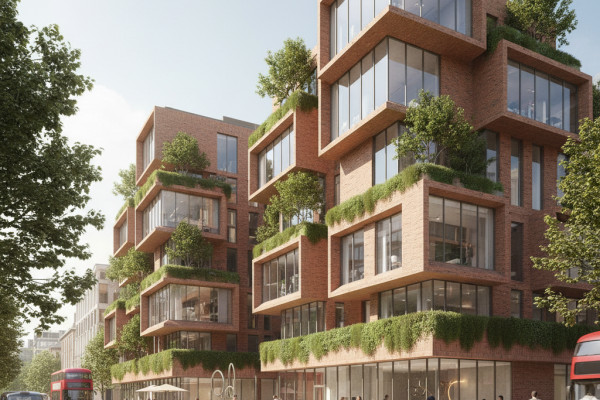
"It is a trade-off, but the space difference is real. For the price of a small studio in Zone 2, I bought a spacious one-bedroom flat with a private balcony in Bromley. My neighborhood has local markets, green parks, and cafes that are much quieter than Clapham. I also looked at other apartments for sale in London before deciding on Bromley. The local regeneration plans here mean my property is likely to grow in value over the next ten years, giving me a solid financial foundation."
Comparison: Zone 2 Renting vs. Zone 4 Buying
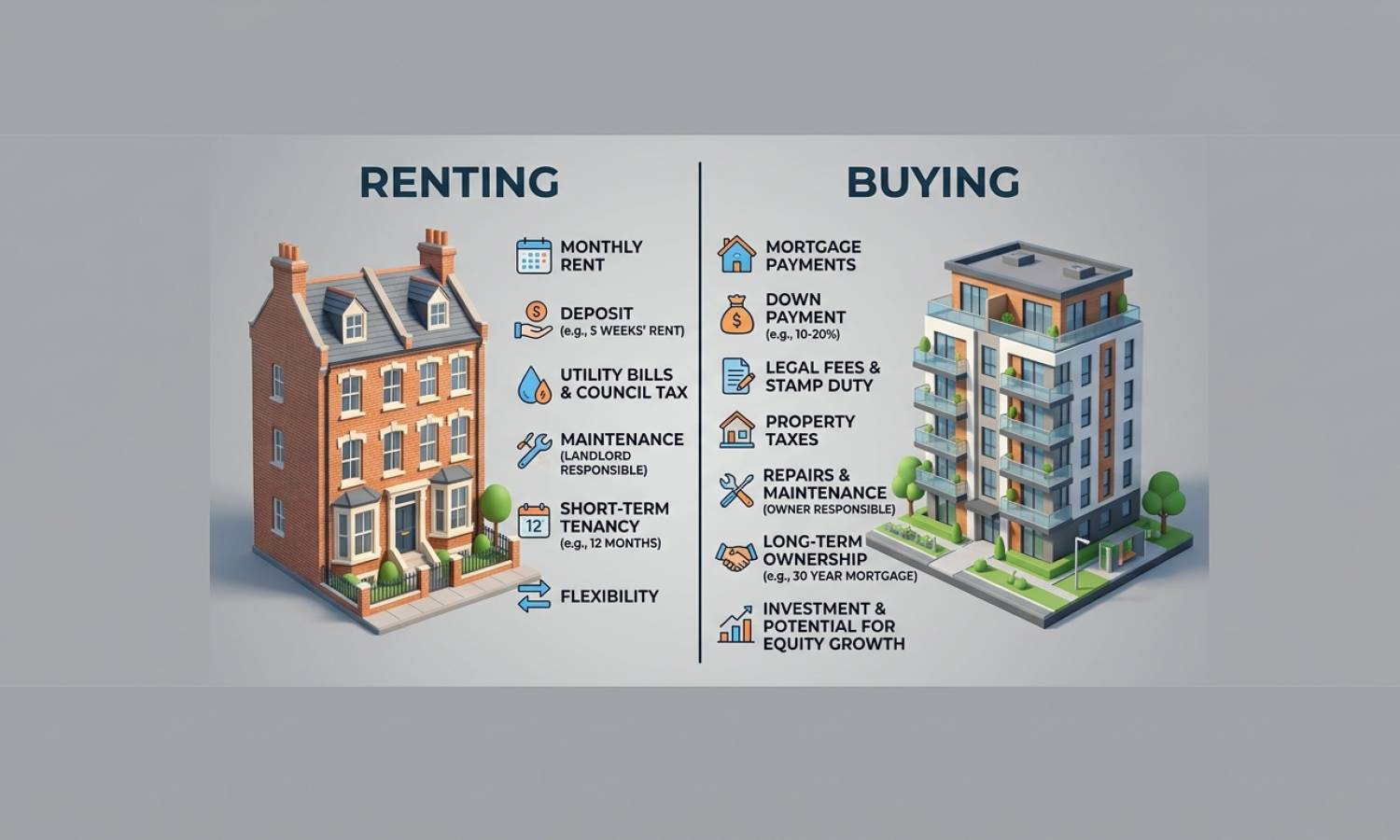
| Comparison Factor | Sarah (Zone 2 Tenant) | James (Zone 4 Buyer) |
|---|---|---|
| Monthly Housing Outgoings | £1,200 (Rent only) | £1,300 (Mortgage) + £140 (Service Charge) |
| Monthly Travel Costs | £80 (Zone 2 Oyster commute) | £165 (Zone 4 National Rail pass) |
| Energy Efficiency Rating | EPC Grade E (Victorian conversion) | EPC Grade B (Modern new build) |
| Upfront Financial Requirement | £1,380 (5 weeks' tenancy deposit) | £19,000 (5% deposit on £380,000 home) |
| Maintenance Responsibility | Landlord handles all repair costs | Covered by 10-year warranty on structure |
| Long-Term Financial Benefit | Flexibility to reinvest savings elsewhere | Builds home equity and capital appreciation |
The Verdict
Ultimately, the choice depends on your career stage and financial goals. If you value flexibility and proximity to the city center, renting in Zone 2 remains attractive. However, for those looking to build long-term wealth, escape rent inflation, and enjoy lower energy bills, purchasing new builds in Bromley or other outer London suburbs offers a clear path to homeownership.