The Zone 4 Shift: Why Gen Z Buyers are Trading Central London for Affordable Outer Regeneration Hubs

The dream of owning a home in Zone 1 or 2 is changing fast for London's younger generation. In June 2026, Gen Z buyers, who are now entering their late twenties and building their professional careers, face a tough property market. With the Bank of England holding the base interest rate at 3.75% and deposit requirements remaining steep, the traditional path of buying a flat near the city centre is simply out of reach for most.
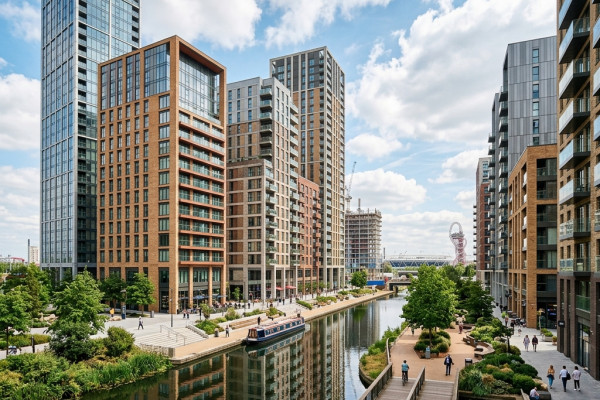
Instead of postponing homeownership, young professionals are rewriting the playbook. They are shifting their focus to the outer rings of the capital, targeting Zone 4 and 5 regeneration areas. This outward move is driving a major surge in demand for modern new builds london in suburban neighborhoods that were once overlooked. By trading central locations for outer boroughs, buyers are finding they can secure more space, energy-efficient designs, and private outdoor areas without stretching their finances to the limit.
The Economics of the Zone 4 Discount
The main reason behind this outward move is simple: affordability. In central boroughs like Kensington & Chelsea or Westminster, the average cost of a one-bedroom apartment regularly exceeds £700,000. In contrast, Zone 4 and 5 developments offer modern flats at a fraction of that price, often starting well below the threshold for stamp duty exemptions.
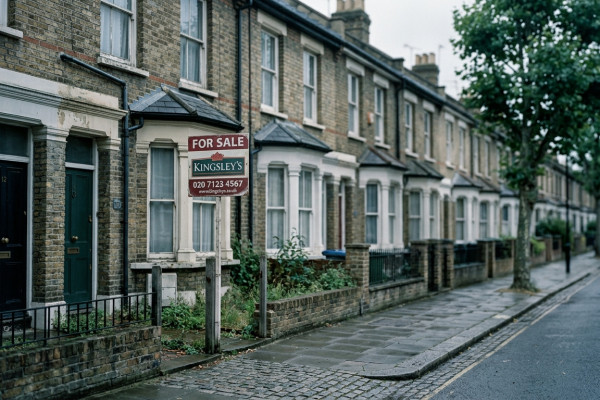
For first-time buyers relying on single incomes or modest family help, this price gap is everything. Rather than renting indefinitely in Zone 2, many choose to buy in outer districts where their budget stretches further. While a typical budget of £450,000 might secure a cramped studio flat in a Victorian conversion in Hackney, the same money buys a spacious, brand-new apartment in a modern development in Zone 4.
On top of that, developers in these outer zones are actively targeting younger buyers. They frequently offer incentives, such as deposit matches or mortgage subsidy schemes, making the initial purchase much easier. For Gen Z, who value financial independence and lower monthly outgoings, these outer developments represent a practical entry point into the market.
Infrastructure: The Commute is No Longer a Barrier
Historically, moving to Zone 4 meant accepting a grueling, hour-long commute on slow trains. Today, transport expansions have completely changed the equation. The Elizabeth Line, the London Overground, and upgraded Thameslink services have connected outer boroughs directly to major employment hubs in the City and Canary Wharf.
For example, a commuter living in West London can now board a train and reach central offices in under 25 minutes. This level of connectivity means that living further out no longer requires sacrificing a social life or wasting hours in transit. In many cases, commuting from a Zone 4 transit station is faster and more reliable than traveling across Zone 2 on a bus or a slower Tube line.
Because of these new transit links, younger buyers are focusing their search around key rail hubs. They are looking for modern apartments for sale in London that sit within a 10-minute walk of a major station. The convenience of a short walk to a high-speed train has made suburban living highly appealing to a demographic that values speed and ease.
West London Focus: The Ealing Appeal
One of the most popular areas for young buyers is West London, particularly the borough of Ealing. Known for its green spaces and historic high streets, Ealing has seen a wave of new developments over the last few years.
With multiple stations connected to the Elizabeth Line, areas like Acton and Hanwell have become key hotspots. The rapid connection to Bond Street and Liverpool Street has made new builds in Ealing highly sought after by tech and finance professionals. Buyers are attracted to the combination of local parklands, bustling high streets, and the security of buying a modern home from a reputable developer. Ealing represents a balance: it offers the suburban charm of West London alongside transit speeds that rival central postcodes.
South East London: The Lewisham Opportunity
For buyers looking for value in the south-east, Lewisham is another major draw. The borough is seeing a major redevelopment push, turning older industrial sites and retail centers into modern residential hubs.
Areas like Sydenham and Forest Hill offer excellent value, with developers creating large-scale projects centered around transit connections. The London Overground connects these areas directly to Shoreditch High Street and Canada Water, making new homes in Lewisham popular with creative professionals and remote workers. The lower land values in the south-east allow developers to offer larger floor plans and more generous amenities, including shared workspaces and rooftop terraces, which fit the lifestyle preferences of younger buyers.
The Search for Affordable Properties
This trend is clearly reflected in search statistics. Buyers are no longer browsing by borough alone; they are searching by price cap and transport connection.
The demand for properties priced under £500,000 has surged, leading buyers to filter specifically for affordable options. New build developments priced within this bracket sell quickly, as they represent the sweet spot for first-time buyers using standard mortgage products. Finding cheap new builds in London has become the primary goal for young buyers who want to build equity rather than paying rent to private landlords.
Key Takeaways for Gen Z Buyers in 2026:
- Prioritize Transport Links: When looking at Zone 4 and 5 properties, focus on developments within walking distance of high-speed rail links (Elizabeth Line, Thameslink, or Overground).
- Take Advantage of Developer Incentives: Ask developers about deposit matches, mortgage support schemes, and green mortgage incentives, which can save thousands on upfront costs.
- Focus on Energy Efficiency: New builds offer much higher EPC ratings than Victorian conversions. A higher energy rating translates to lower utility bills and better mortgage rates.
- Research Redevelopment Plans: Look for areas undergoing wider council-backed redevelopment, as these zones offer the highest potential for future capital growth.