

Strategic Property Investment in London: 2026 Market Intelligence
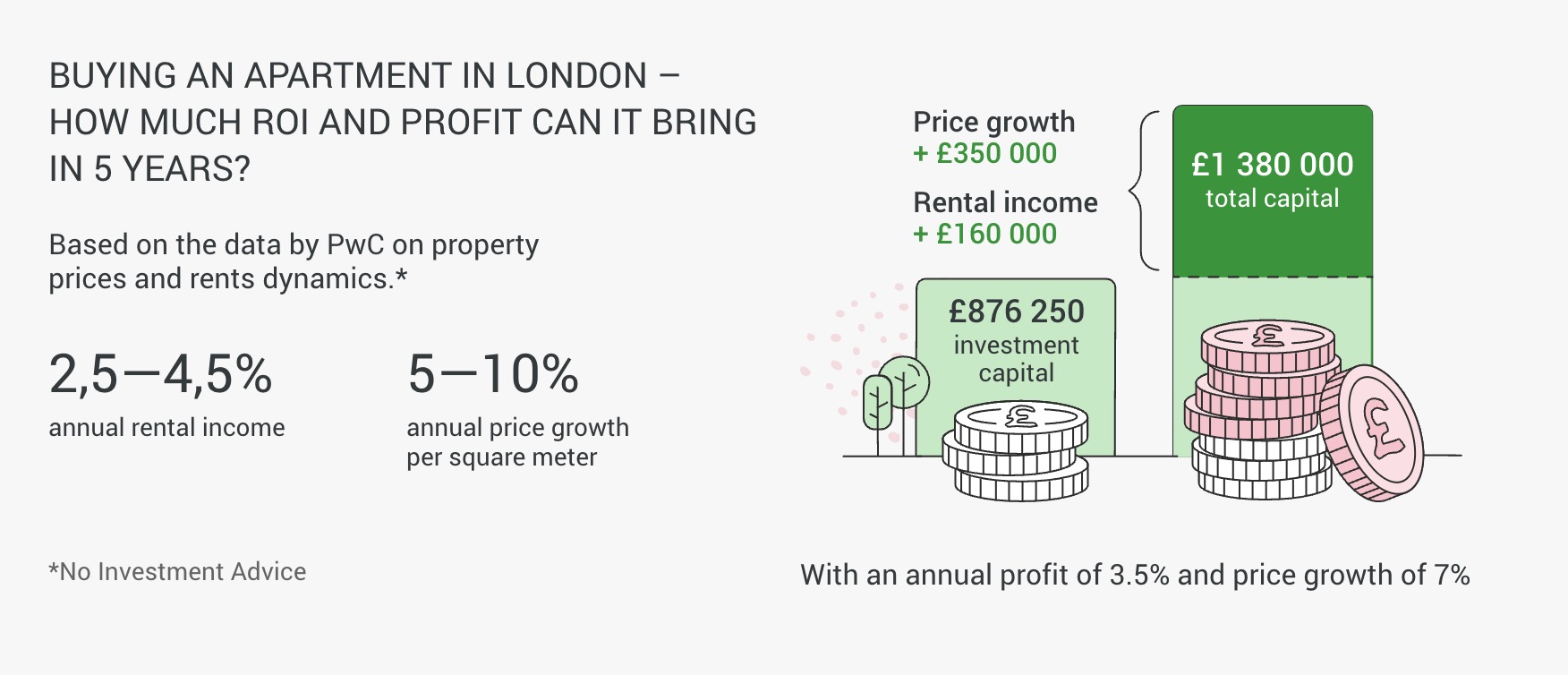
London buy-to-let property investments deliver gross rental yields of 4.8%–6.2% across Zone 3 and 4 regeneration hubs, with off-plan deposits from 10%–20%. Offering projected annual capital growth of 3.5%–5.0%, high-demand investment schemes include Landmark Pinnacle and Koa at Electric Boulevard.
At 1newhomes, we provide the exact data points you need to position your portfolio ahead of these growth curves.
Capturing Alpha Through Off-Plan Entry
Buying off-plan remains the most reliable mechanism for locking in future capital growth today. By securing a unit at current prices, investors benefit from the natural value uplift that occurs between the initial reservation and the final handover.
Since London consistently misses its housing delivery targets, high-quality stock is tight. You need access to early-stage developments from Tier-1 developers before they hit the open retail market.
Yield Optimization in Transport Corridors
Capital appreciation is only half the strategy. With corporate rental demand running at historic highs, optimizing your gross yield is non-negotiable.
We track a very specific type of property: modern assets situated within a 30-minute commute to the City or Canary Wharf, but outside the premium price tags of Zone 1. Developments in these exact pockets consistently produce better yields—often pushing 5.5% to 6.2%—because they capture professional tenants looking for lifestyle amenities (gyms, coworking spaces, concierges) without Central London rents.
The Institutional Safety Net
We list around 1,000 new build properties across the capital. If you want high-yield buy-to-let apartments, we filter by rental forecast and completion dates. If you are after legacy assets in Prime Central London, we focus on build quality and secondary market liquidity.
Unlike period properties, every new build we present carries a 10-year structural warranty and high EPC energy ratings. This means zero immediate CAPEX for repairs and preferential mortgage rates through green lending products.
What are you looking for?
Step 1 of 4
ready to help you
What are you looking for?
Frequently Asked Questions
FAQ
Most traditional Zone 1 properties cap out around 3.5%. However, if you target Zone 3 and 4 regeneration areas near major rail hubs, gross yields reliably hit between 4.8% and 6.2%. The math heavily favors high-density new builds located near transport links like the Elizabeth Line.
Yes. International investors face a 2% non-resident Stamp Duty (SDLT) surcharge on top of standard rates. How you structure the ownership makes a significant difference to your final tax bill. We strongly recommend speaking with our tax partners before completing a reservation.
It depends entirely on the developer. Taking an off-plan position is essentially fixing the asset's price. When done with established developers holding clean track records, it is a highly effective way to control a premium asset with a relatively small 10% to 20% initial deposit.
Selection of new buildings for Investors

All new homes →