
Property in:
LONDON
Key details
-
History Traces its origins back to the Bronze Age, evolving from a medieval hamlet into a renowned 18th-century spa town and a legendary haunt for London's writers, poets, and artists.
-
Transport Spans Zones 2 and 3, connected via Hampstead and Belsize Park (Northern line), Finchley Road (Jubilee, Metropolitan), and West Hampstead (Overground, Thameslink).
-
Lifestyle An upscale village atmosphere, popular with academics, creatives, and families who enjoy independent boutiques, quiet cafes, and walking paths.
-
Amenities Home to the 800-acre Hampstead Heath, historic houses like Kenwood House, the Hampstead Observatory, and the luxury Everyman Cinema.
-
Education Exceptionally popular with parents due to highly prestigious private, grammar, and state schools in and around the borough.
Attributes
Affluent, ancient, architectural, health-conscious, high-end, green, popular among families, prestigious, international, vibrant.
Local area map
Popular Commute Times
Madame Tussauds 22m by train, 15m by car
London Eye 35m by train, 25m by car
British Museum 30m by train, 20m by car
The London Zoo 20m by train, 10m by car
Well Known Subways
Hampstead station
Belsize Park station
Finchley Road station
West Hampstead station
Boundaries
North with Hampstead Heath
East with Kentish Town
South with Belsize Park
West with West Hampstead
Around The Block
Hampstead is a prestigious Zone 2/3 North London village offering high-end new build flats starting from £800,000. Well-connected by the Northern, Jubilee, and Overground lines, it provides rapid access to Central London. Hampstead is highly sought-after, delivering projected rental yields of 4.0% to 4.6%.
The local housing market is one of the capital's most expensive and exclusive, attracting families, professionals, and international buyers looking for period homes with direct access to outstanding schools and parkland.
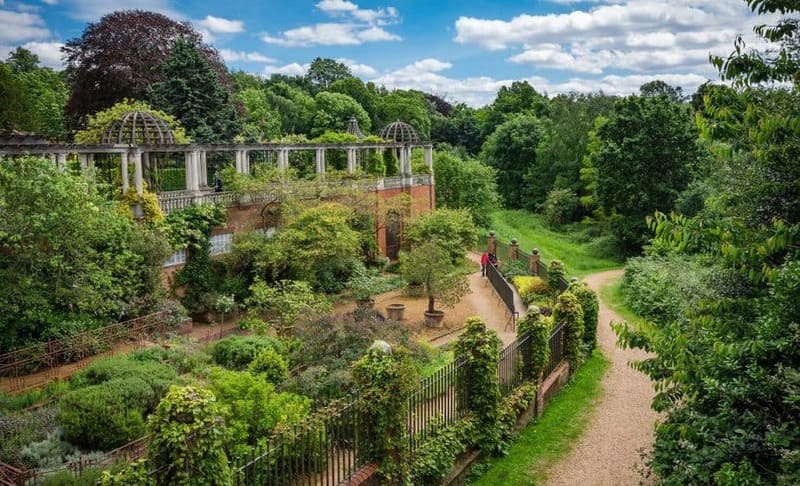
Historical Charm of the Area
The neighborhood has a long history, with archaeological evidence of activity dating back to the Bronze Age. During the Roman era, a small fortification stood on Parliament Hill. For centuries, Hampstead remained a quiet agricultural hamlet, but its popularity grew rapidly in the 17th century as Londoners sought a clean escape from the crowded city.
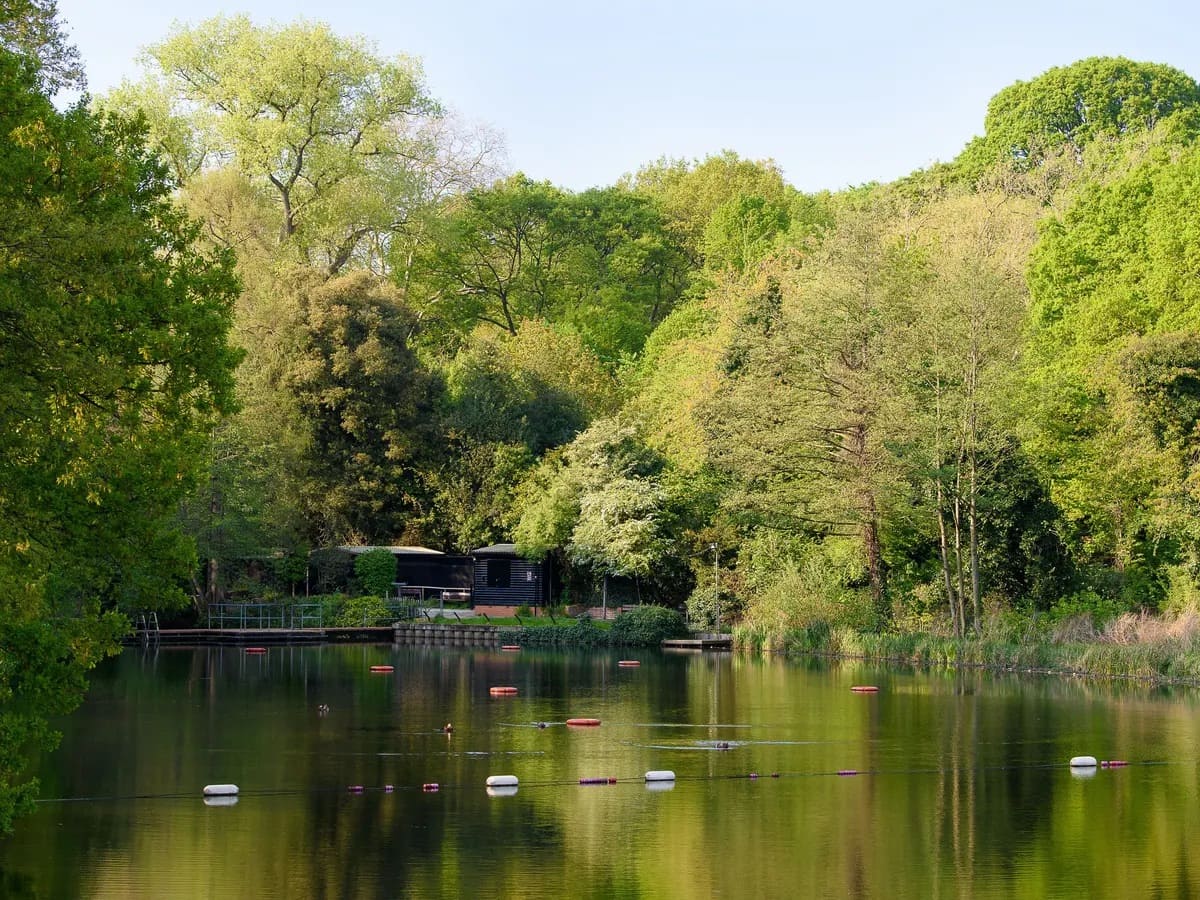
In the 18th century, the discovery of natural mineral springs turned Hampstead into a fashionable spa destination. Wealthy visitors traveled from across the capital to drink the healing waters. This period of growth left a legacy of grand Georgian houses and leafy avenues that still define the local streetscapes.
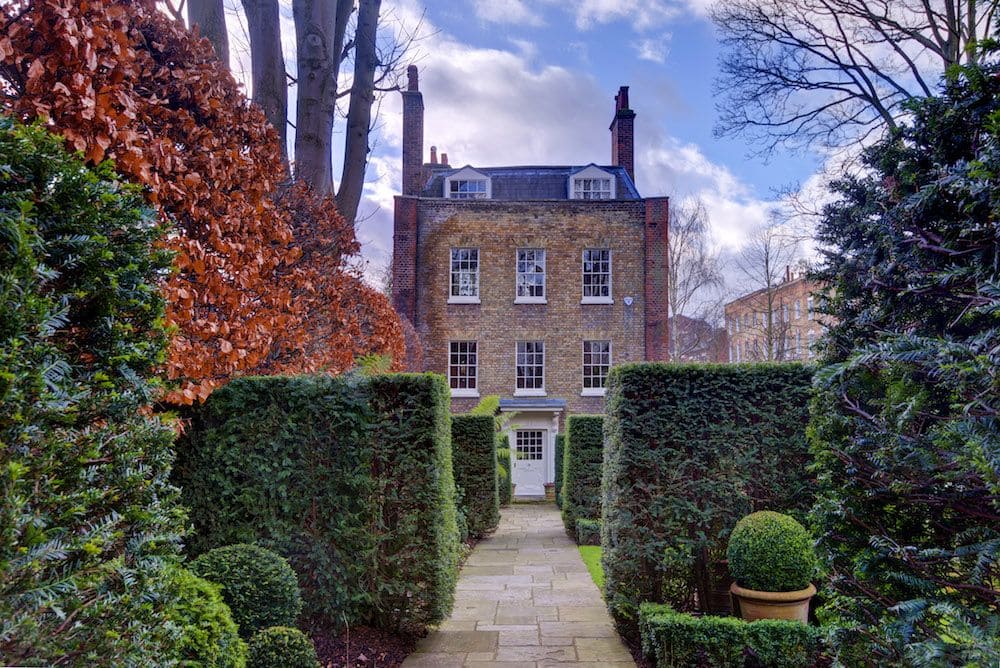
By the 19th century, Hampstead had become a favorite hub for artists and writers. Figures like John Keats, Percy Bysshe Shelley, and Virginia Woolf lived and worked in the area, creating a deep literary heritage that remains central to the community's identity today.
Cultural Landmarks in Hampstead
Hampstead's artistic past is visible on almost every corner. The area is home to 75 commemorative plaques marking the former residences of notable writers, scientists, and artists. Walking tours exploring these historic markers are popular with visitors and locals alike.
Hampstead Observatory
Located on a quiet lane, the Hampstead Observatory allows astronomy enthusiasts to view the night sky through a historic six-inch Cooke refracting telescope. The observatory is run by local volunteers and opens to the public on Friday and Saturday nights from September to April.

Everyman Cinema Hampstead
This is the original Everyman Cinema, which helped establish the trend of luxury cinema-going in London. Located just off Heath Street, it features comfortable armchairs and sofas with food and drinks served directly to guests at their seats.

Property Market in Hampstead
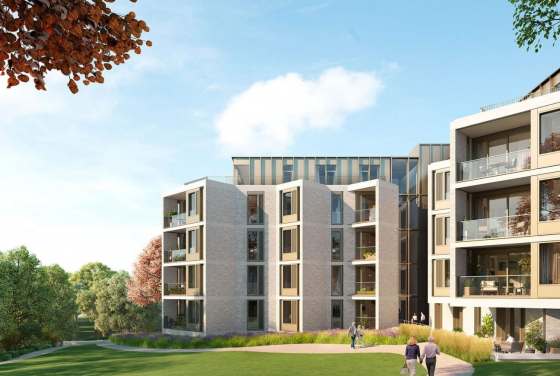
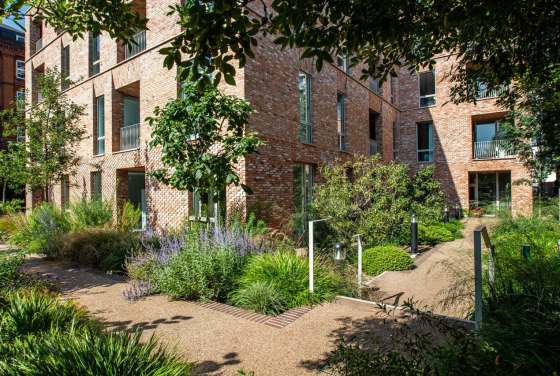
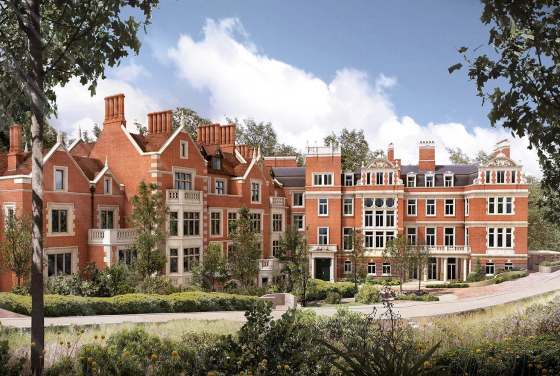
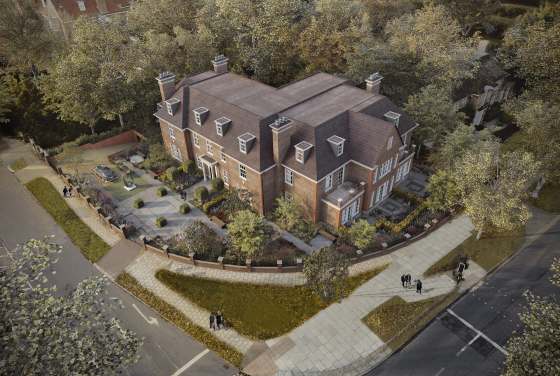
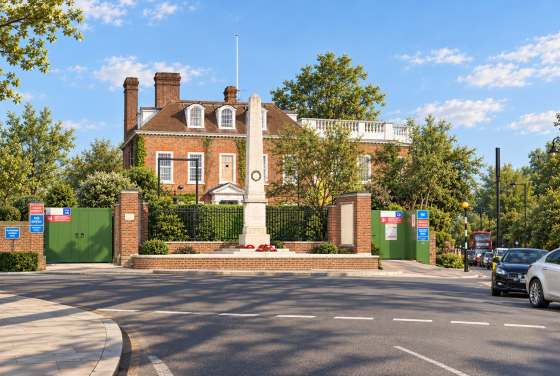
The local property scene features a mix of grand Victorian and Georgian houses, quiet mews, and modern luxury developments. Because demand for homes in the area is consistently high, Hampstead has some of the most competitive and expensive real estate in North London.
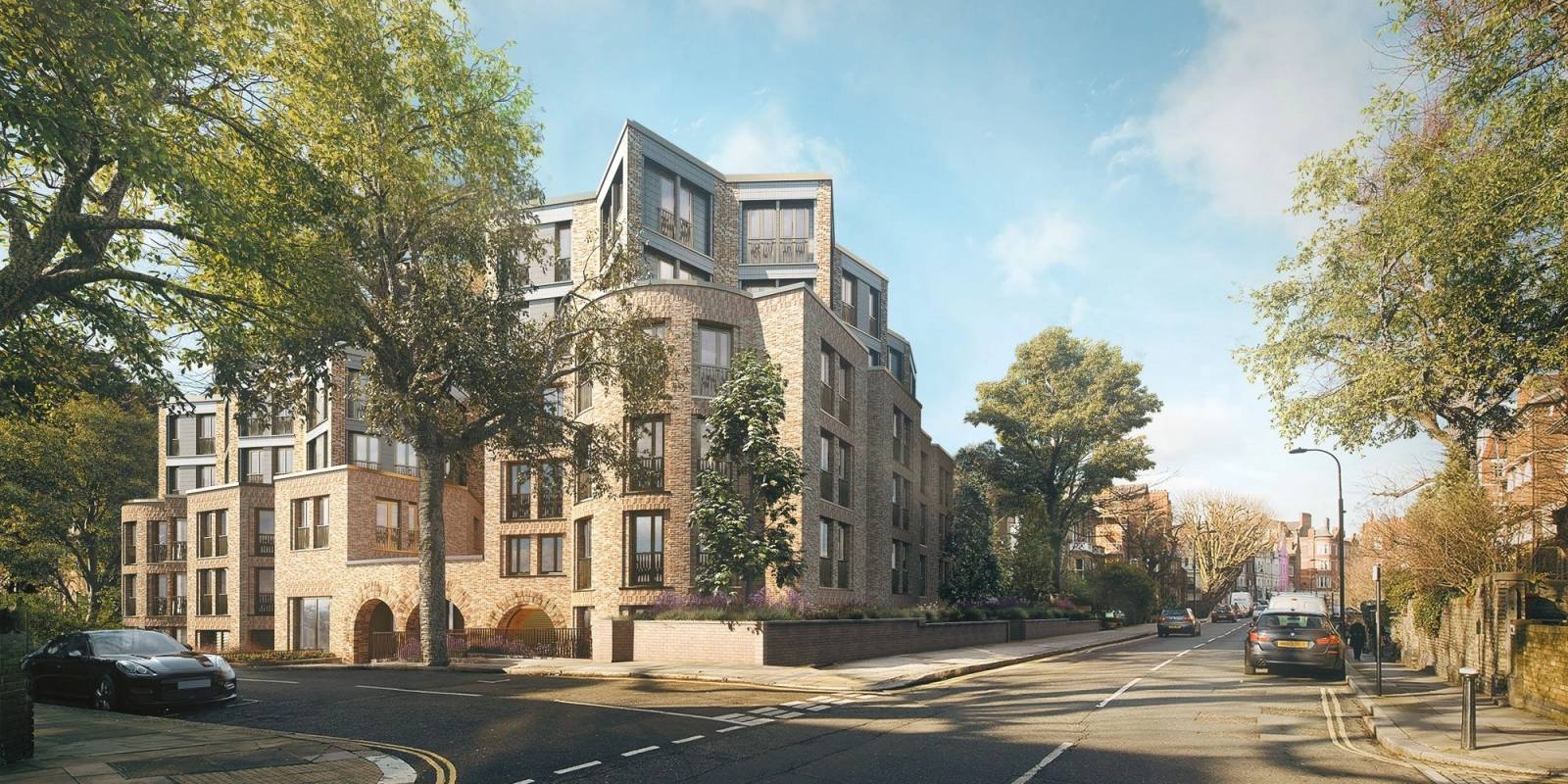
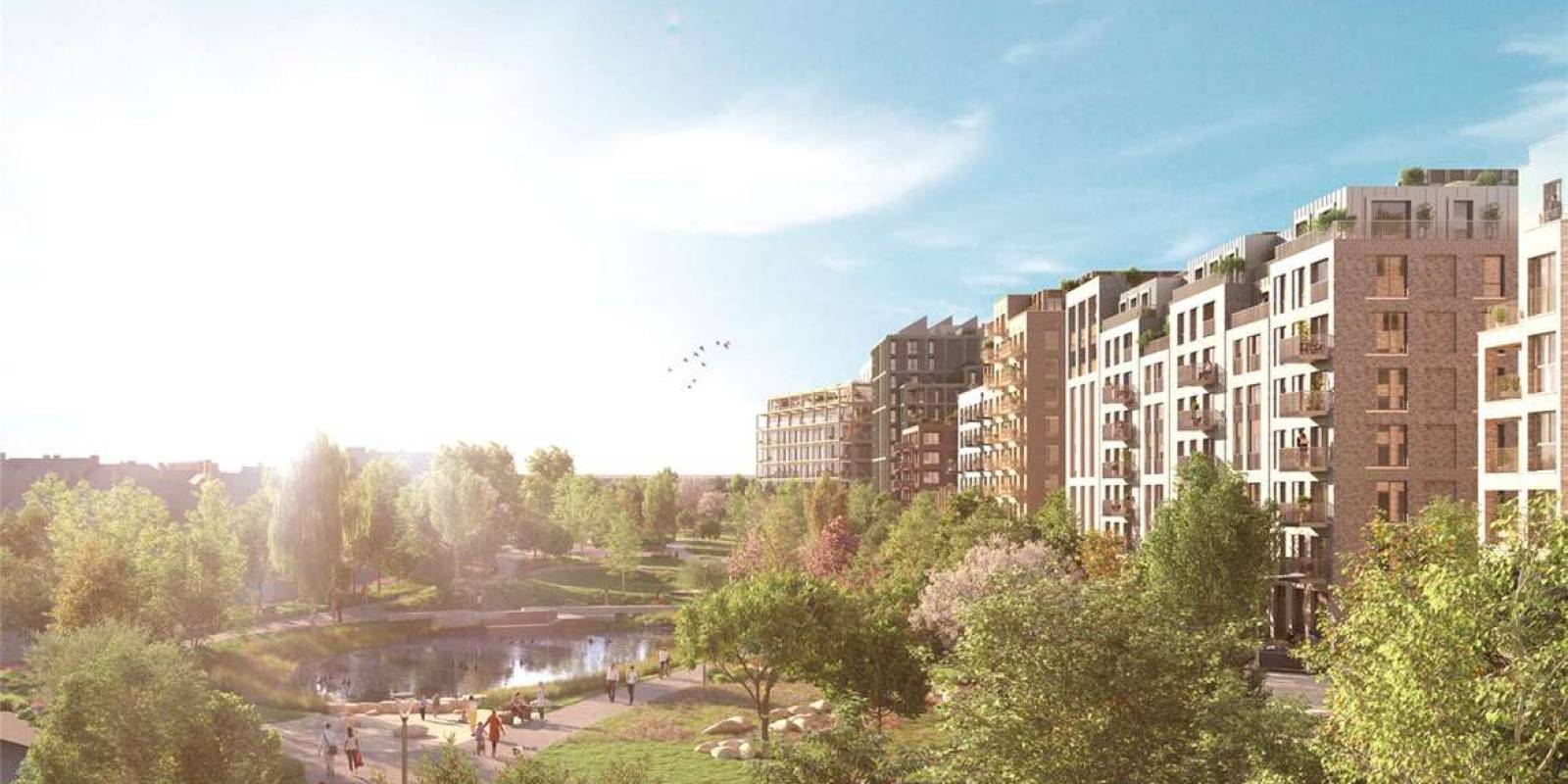
Modern residential schemes are designed to offer contemporary convenience while blending in with the historic surroundings. Buyers seeking new properties often look at high-specification apartments like Fitzjohns by PegasusLife on Fitzjohns Avenue, which features premium amenities and communal facilities.
Other notable new builds in and around the area include Brent Cross Town, 28 The Bishops Avenue, Riverstone Bishops Avenue, 54 The Bishops Avenue, No.1 Hampstead, and The Oren.
Education and Schools
The high quality of local education is one of Hampstead's primary draws for families. The area is home to some of London's most prestigious independent schools, as well as highly-rated state primaries and grammar schools.
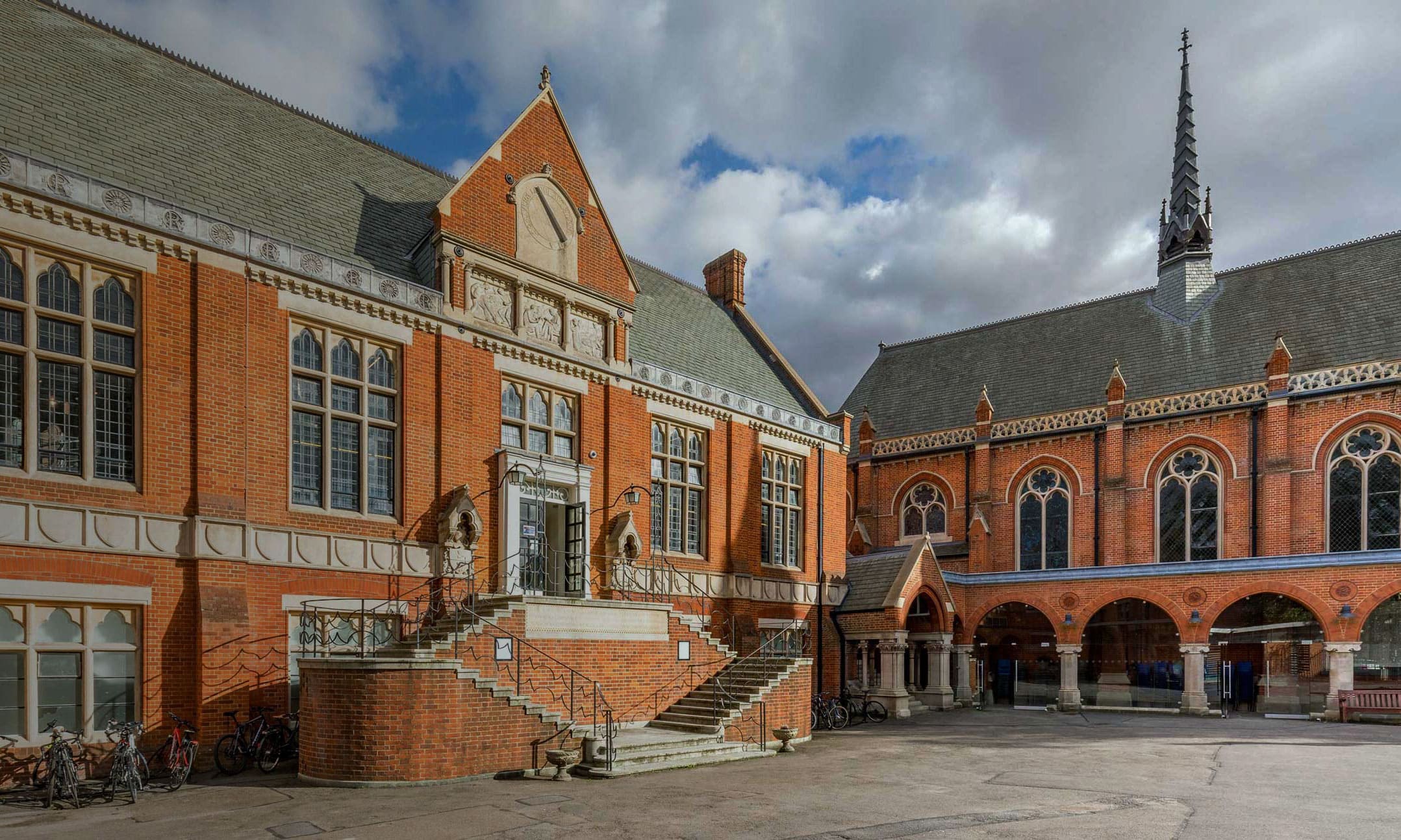
Highly regarded institutions in the wider area include Highgate School, Hampstead School, Camden School for Girls, and St Paul's Academy. The strong academic performance of these schools keeps demand for local family homes consistently high.
Local Dining Scene
Hampstead's high street and surrounding lanes offer a wide range of restaurants, cafes, and historic gastropubs. Notable local favorites include:
- L'Antica Pizzeria: A highly-regarded pizzeria bringing authentic Neapolitan wood-fired pizzas to Hampstead.
- La Crêperie de Hampstead: A famous local landmark serving classic French sweet and savory crepes from a small cart on Hampstead High Street since 1980.
- The Wells: A popular gastropub located in a grand Georgian building on Well Walk, offering a casual ground-floor pub space and a refined dining room upstairs.
Natural Beauty and Hampstead Heath
Hampstead Heath is the highlight of the local area, spanning over 800 acres of meadows, woodlands, and ponds. This protected green space offers a rural escape from urban life, attracting thousands of walkers, runners, and nature lovers throughout the year.
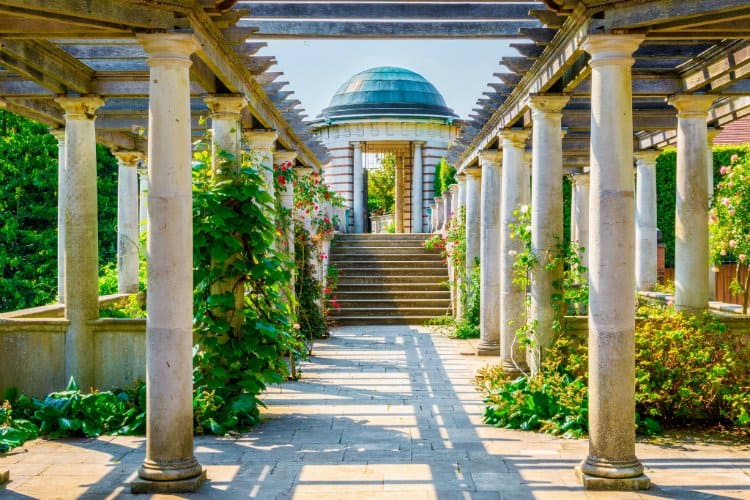
Parliament Hill on the southern edge of the Heath is famous for its panoramic views across the London skyline. The Heath also features three historic swimming ponds, where residents swim year-round, and Kenwood House, a grand neoclassical villa with landscaped gardens managed by English Heritage.
FAQ: Living in Hampstead
Is Hampstead a good place to live?
Yes, Hampstead is widely considered one of London's most desirable and prestigious residential areas. It offers a unique village atmosphere, beautiful historic architecture, top-performing schools, and immediate access to the 800 acres of Hampstead Heath.
What transport zone is Hampstead in?
Hampstead spans London Travelcard Zones 2 and 3. The area is served by Hampstead and Belsize Park stations on the Northern line, Finchley Road on the Jubilee and Metropolitan lines, and West Hampstead for Overground and Thameslink services.
What is Hampstead famous for?
Hampstead is famous for Hampstead Heath, its historic swimming ponds, Kenwood House, and its deep artistic and literary heritage. It has long been home to prominent writers, artists, and academics, and features 75 commemorative blue plaques.
What are the main new developments in Hampstead?
Key new build schemes in and around the area include Fitzjohns on Fitzjohns Avenue, No.1 Hampstead, and several luxury developments along The Bishops Avenue, such as 54 The Bishops Avenue and Riverstone Bishops Avenue.
What are you looking for?
Step 1 of 6
Select the number of bedrooms
Select your budget
What is your purpose of purchase?
What is your preferred payment method?
When do you plan to move
Leave a request and assistant will select the property
A virtual assistant
ready to help you
ready to help you

What are you looking for?
New homes for sale in Hampstead
Attributes
Affluent, ancient, architectural, health-conscious, high-end, green, popular among families, prestigious, international, vibrant.