
Property in:
LONDON
Key details
-
Geography Spans heavily populated boroughs like Southwark, Lewisham, and Greenwich, extending outward to Bexley.
-
Transport Heavily reliant on the Overground, DLR, and Southeastern rail network, rather than the traditional Underground system.
-
Lifestyle Known for its strong independent food scene, historic pubs, and thriving creative communities in areas like Deptford and Peckham.
-
Amenities Home to the O2 Arena, Borough Market, the Tate Modern, and massive green spaces like Greenwich Park.
-
Market Extremely diverse, featuring highly sought-after riverside luxury apartments alongside affordable, large-scale regeneration masterplans.
Attributes
Mixed, diverse, original, friendly, modern, regenerated, spacious, natural, green, community spirit, science, art & theatre.
Local area map
Popular Commute Times
Big Ben 35m by train, 35m by car
Greenwich Peninsula 16m by train, 8m by car
Tate Modern 32m by train, 32m by car
Heathrow Airport 88m by train, 74m by car
Well Known Subways
Elephant & Castle
Southwark
Bermondsey
Kennington
Boundaries
North with Poplar
East with Whitechapel
South with Keston
West with Streatham
Around The Block
South East London is a diverse maritime corridor, with average new build starting prices from £350,000 to over £1.2M. Serviced by the Overground and DLR, it yields 4.5%–6.0% and features massive community-led regeneration projects like L&Q Elephant Park.

Areas like Peckham, Deptford, and Bermondsey are currently acting as major magnets for young professionals and creatives who have been priced out of East London. These neighborhoods offer a strong community spirit, characterized by railway-arch breweries, independent galleries, and weekend street markets. It is an area that balances a slightly rough, edgy history with rapid gentrification.
Further down the river, Greenwich provides a completely different pace. Dominated by its Royal Park and UNESCO World Heritage status, it functions as a leafy, historic village that is heavily favored by families and city workers seeking space without sacrificing connectivity.
New Property in South East London
The residential market is seeing massive investment, particularly along the riverside. The focus is split between premium central developments and large-scale, community-driven masterplans slightly further out.
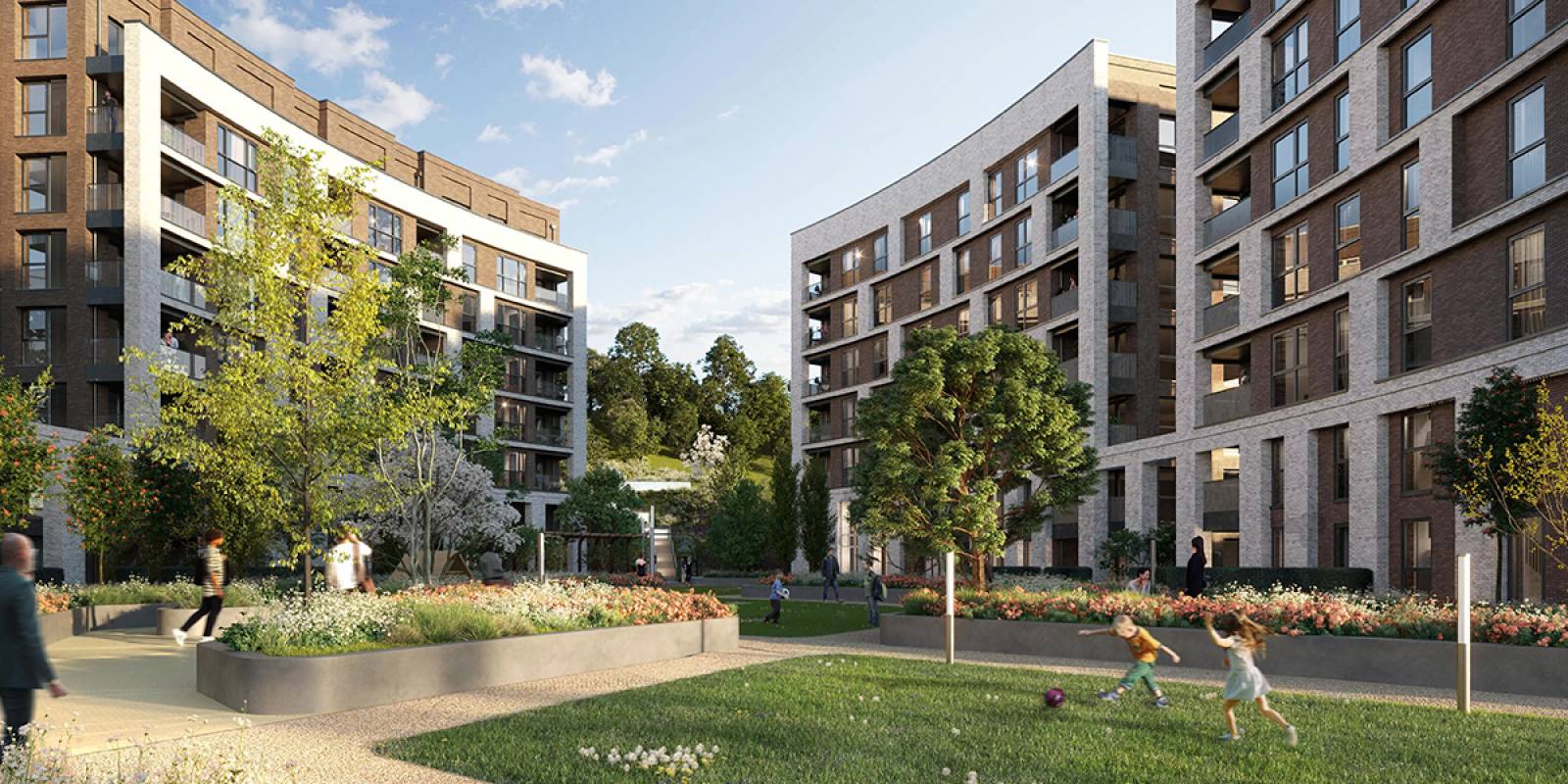
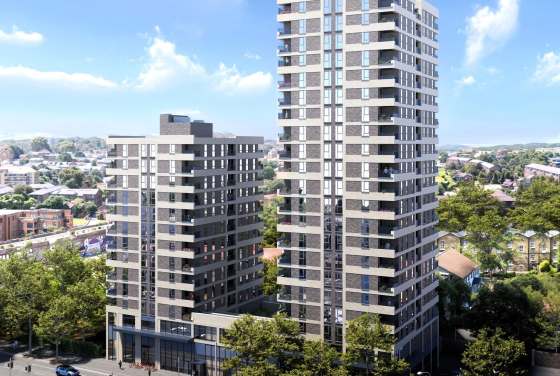
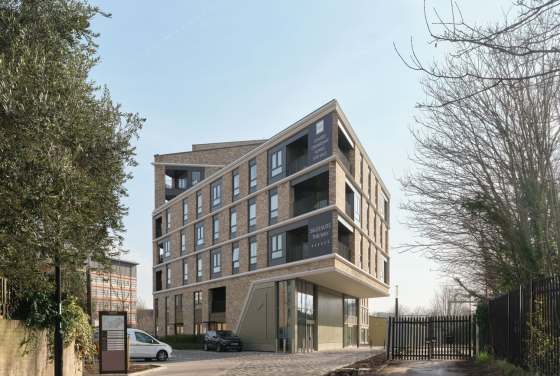
For buyers looking at Zone 1 proximity, The Liberty of Southwark near London Bridge and the high-end Westminster Tower in Vauxhall provide immediate access to central transit. A major transformation is also underway in Bermondsey, anchored by large schemes like The Bermondsey Project, providing a massive influx of modern apartments.

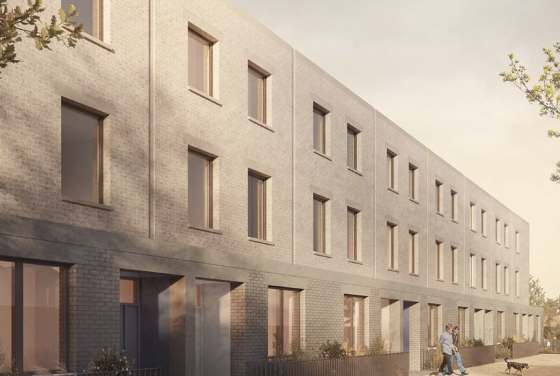
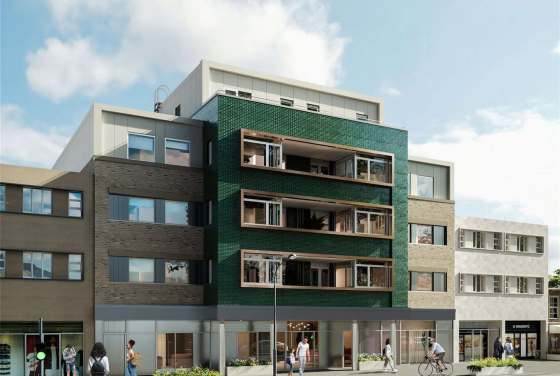
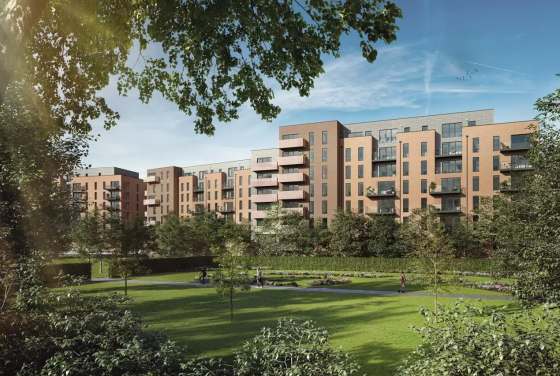
Moving outwards, regeneration zones offer significant value for first-time buyers and investors. L&Q Elephant Park serves as a prime example of an area entirely redeveloped with modern community amenities in mind. Further east, Frankham Walk in Deptford and Glengall Rise in Queens Road Peckham offer highly accessible entry points into two of the most rapidly gentrifying postcodes in the sector.
Featured Hotspots in South East London
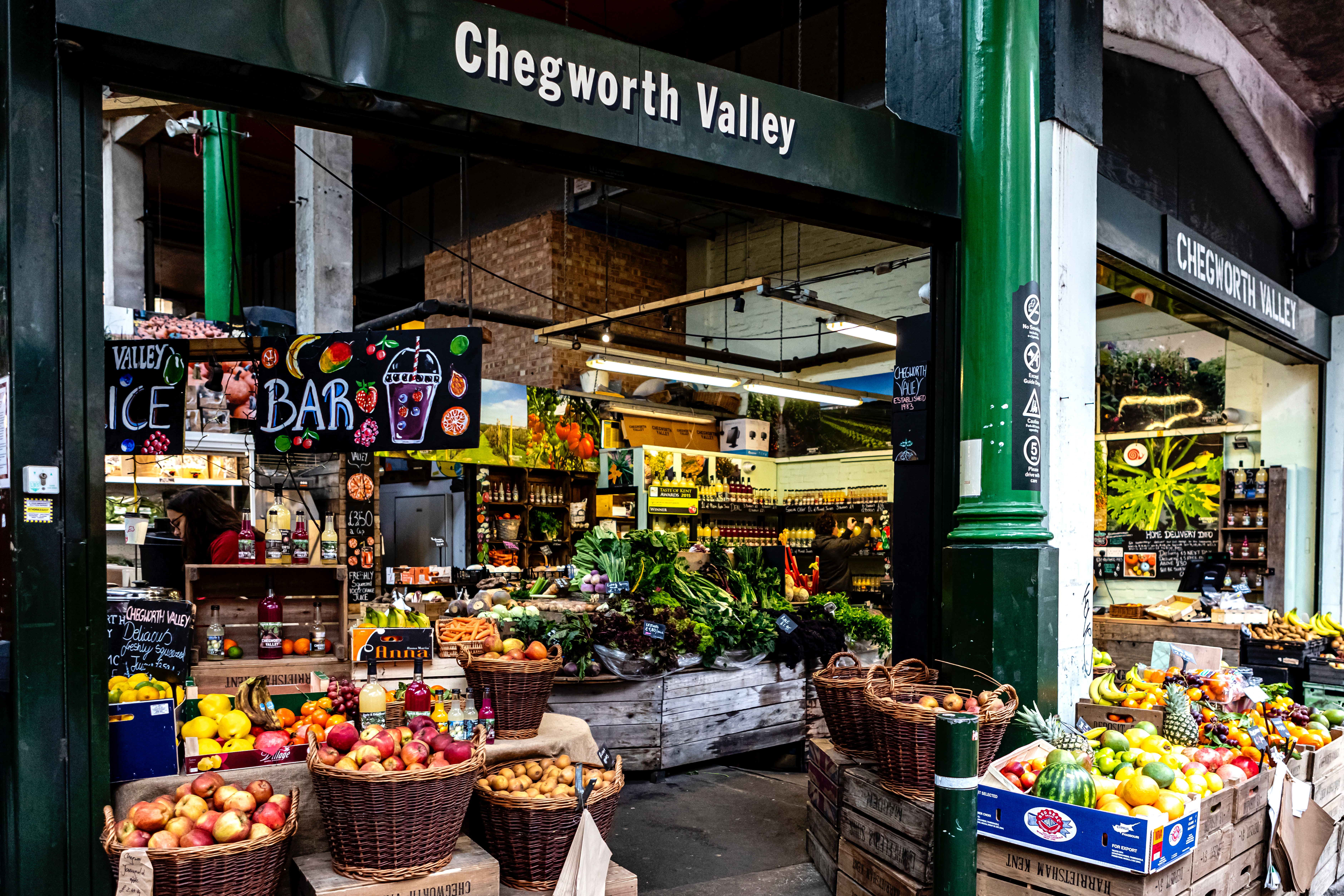
Borough Market
Sitting by London Bridge, it is the capital's oldest food market. With origins dating back to the 11th century, it operates as a daily hub for artisan food, fresh produce, and street food vendors globally.
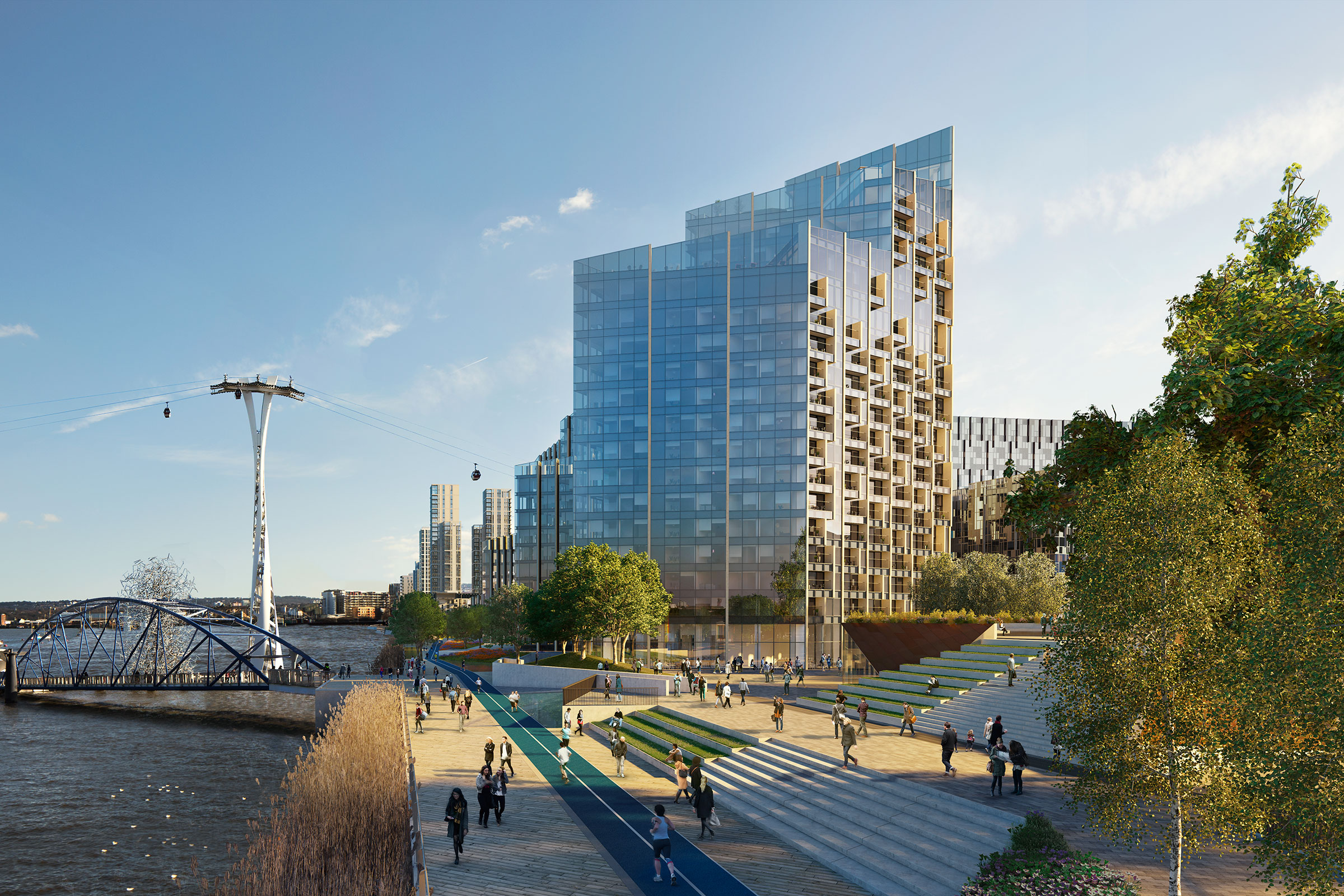
Greenwich Peninsula
Rapidly becoming its own distinct district. Surrounded by water on three sides, it is anchored by the O2 Arena and features The Tide, an elevated riverside linear park designed for pedestrians and art installations.
Bermondsey Beer Mile
A stretch of railway arches that has been entirely co-opted by independent craft breweries and taprooms. It serves as a major weekend destination and highlights the industrial-to-leisure shift of the borough.
South East London Transport Links
Unlike the rest of London, South East London is notoriously underserved by the traditional Underground network. Instead, the area relies heavily on the London Overground, extending down through New Cross, Peckham, and Forest Hill, acting as the main commuter artery.
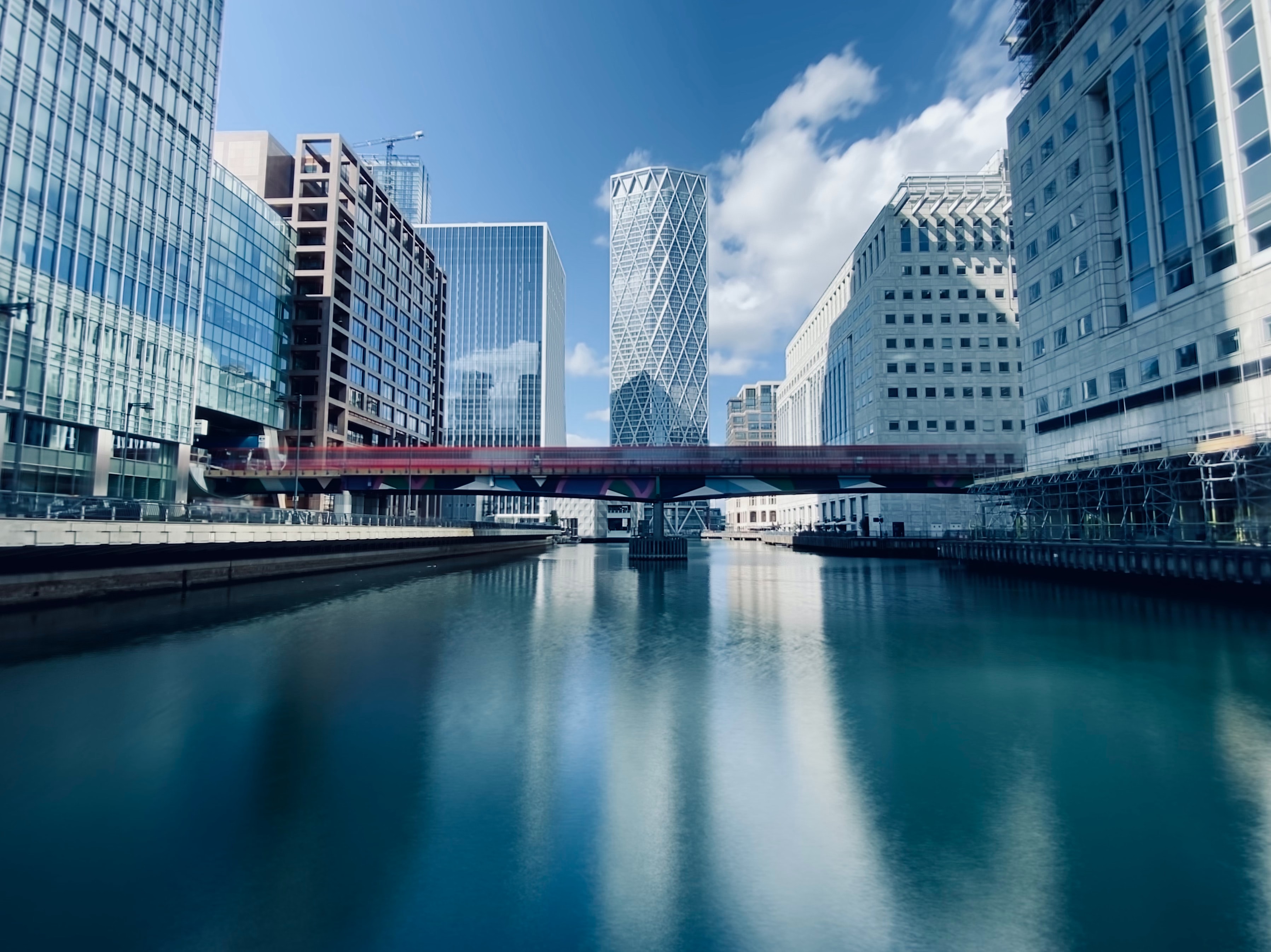
The Docklands Light Railway (DLR) is critical for residents in Lewisham and Greenwich, providing fast, direct routes straight into the financial center of Canary Wharf. Furthermore, the Thames Clipper (Uber Boat) services offer an alternative, highly scenic commute from Greenwich and Rotherhithe directly to the central piers.
For heavy rail transit out of the city, stations like London Bridge and Elephant & Castle serve as major interchanges, pushing commuter traffic out towards Kent and the southern coast.
Safety Settings
South East London features a highly mixed safety profile due to the proximity of high-density estates to affluent streets. Historic, family-heavy areas like Blackheath, Dulwich, and Greenwich Village boast excellent safety records and quiet residential atmospheres. Commercial centers like Elephant & Castle, Lewisham High Street, and nightlife hubs in Peckham log higher incident rates typical of busy, late-night urban environments. Newer residential masterplans on the Peninsula and in Bermondsey feature extensive private security and active local management.
Frequently Asked Questions
FAQ
Is South East London a good place to live?
Yes, particularly for those seeking strong community vibes, independent business scenes, and relatively more square footage compared to the north or west. The lack of standard Tube lines is usually offset by the highly efficient Overground network.
Is South East London safe?
Like most rapidly gentrifying urban zones, it depends heavily on the specific street. Leafy suburbs like Dulwich and Greenwich are highly secure, while some of the busier transport hubs and high streets demand standard city awareness at night.
Which zone is South East London?
It spans Zones 1 through 6. London Bridge and Waterloo sit squarely in Zone 1, while cultural hubs like Peckham and Greenwich are in Zone 2. Outer commuter belts stretch down into Zones 4 and 5.
What are you looking for?
Step 1 of 6
Select the number of bedrooms
Select your budget
What is your purpose of purchase?
What is your preferred payment method?
When do you plan to move
Leave a request and assistant will select the property
A virtual assistant
ready to help you
ready to help you

What are you looking for?
New homes for sale in South-East London
Attributes
Mixed, diverse, original, friendly, modern, regenerated, spacious, natural, green, community spirit, science, art & theatre.