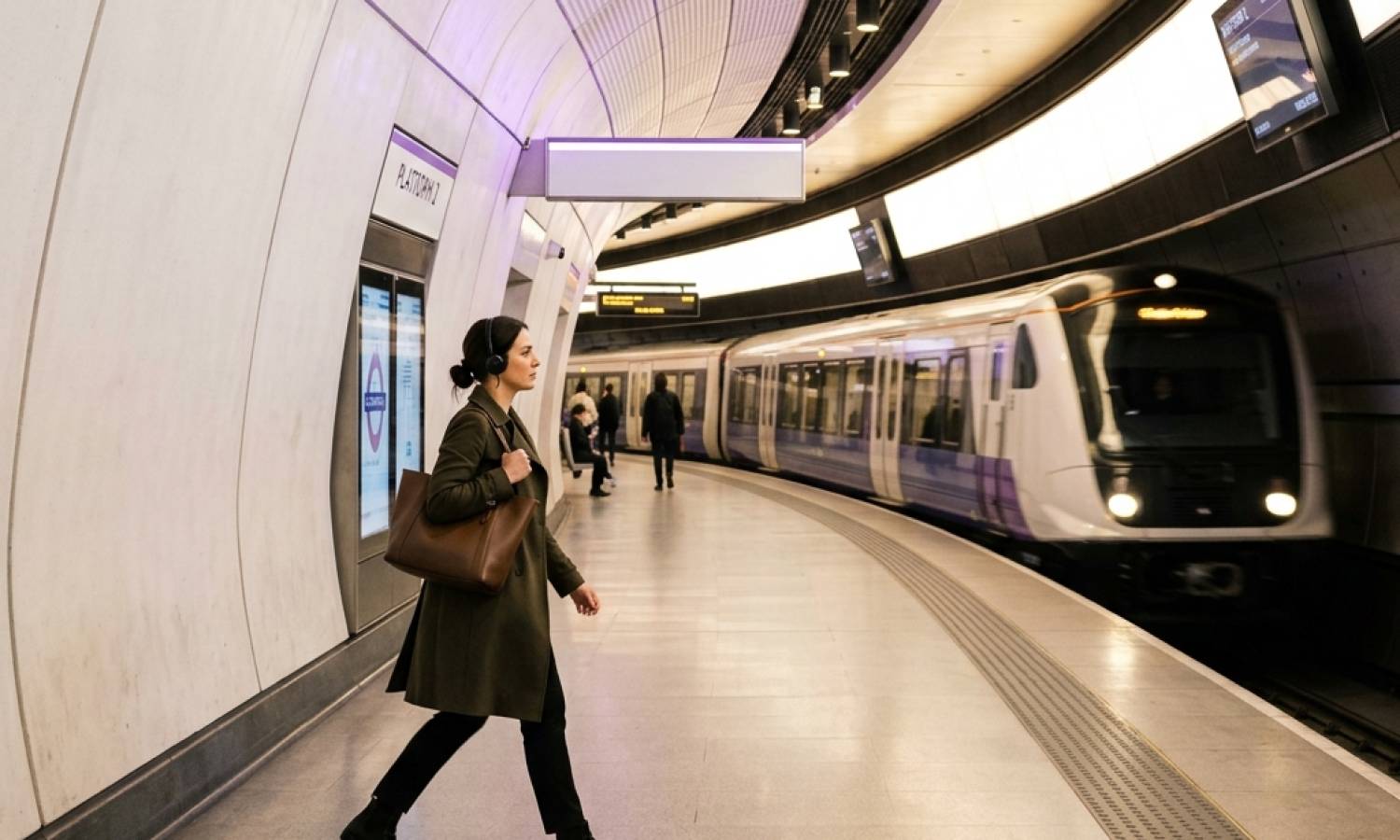
The 15-Minute Commute: How the Elizabeth Line Redefined London’s Zone 3-4 Property Values

Finding a home in London used to follow a simple, unwritten rule: the closer you are to Zone 1, the less time you spend commuting, and the more your property is worth. Buyers accepted a clear trade-off. You could choose an affordable home in the outer boroughs and endure a draining 50-minute journey, or pay a massive premium to live in central London.
The arrival of the Elizabeth Line changed this playbook entirely. Today, in June 2026, the line has redrawn the geographic boundaries of the capital. Several areas in Zone 3 and Zone 4 are now faster to reach from Liverpool Street or West End offices than traditional Zone 2 neighborhoods. This shift has changed how buyers evaluate new builds london and where investors look for capital growth.
If you can travel from Ealing or Acton to Tottenham Court Road in under 15 minutes, the traditional boundaries of transit zones lose their meaning. As a result, property values along the line have climbed, creating a distinct pricing premium.
The Shift in Rental Yields and Capital Growth
For investors looking at new developments in London, the real story lies in the yield difference.
Historically, buyers seeking capital preservation focused on Zone 1 and 2, accepting lower yields of 3% to 3.5%. The Elizabeth Line has opened up Zone 3 and 4 hubs where entry prices are lower, but transport links are excellent.
In commuter hotspots like Acton or Stratford, gross rental yields now regularly range between 5% and 6%. Tenants are willing to pay a premium for a modern flat if it sits close to an Elizabeth Line station. This strong demand from professionals has kept vacancy rates low and pushed rental values up.
However, buyers must look beyond developer marketing claims. The transit effect is not uniform. Developments situated within a 10-minute walk of a station have seen strong growth, while those further out do not show the same price resilience. Proximity is everything.
Elizabeth Line Hotspots in Focus
To help you identify the best opportunities, we analyzed our database of london new build apartments to highlight the key areas and developments driving this trend.
1. Acton: The New Commuter Capital
Acton has emerged as one of the biggest winners of the transit upgrade. With Acton Main Line station linking residents to Paddington in 6 minutes and Bond Street in 9 minutes, it offers unparalleled convenience.
- The Verdean: Developed by Mount Anvil, this development sits just a short walk from Acton Main Line. It features high-specification apartments, residents' gyms, and dedicated co-working spaces. It is designed specifically for professionals who want quick access to the City.
- Bookbinder Point: A boutique development that offers a more private alternative to the massive regeneration schemes in West London. It features bespoke interiors and sits close to local parks, making it popular with owner-occupiers.
2. Canary Wharf and the Docklands
While Canary Wharf is a major financial hub, the Elizabeth Line has transformed it into a highly connected residential area, cutting travel times to Heathrow to 40 minutes.
- Orchard Wharf: Developed by Galliard Homes, this development is located on the riverside near East India DLR, offering fast connections to the Canary Wharf Elizabeth Line hub. The project features private landscaped gardens and step-down terraces, providing a peaceful escape for professional tenants.
Balancing the Budget: Zone 2 vs. Zone 3-4
When comparing apartments for sale in London, buyers must weigh the lifestyle differences between inner and outer zones.
| Feature | Zone 2 (e.g., Camden / Hackney) | Zone 3-4 Elizabeth Line Hubs (e.g., Acton / Ealing) |
|---|---|---|
| Average Entry Price | £600,000 - £800,000 | £380,000 - £550,000 |
| Commute to West End | 20 - 30 minutes | 12 - 18 minutes |
| Average Gross Yield | 3.2% - 3.8% | 4.8% - 5.8% |
| Property Type | High-density / period conversions | Modern new developments in London |
The data shows a clear picture. Buyers who choose Zone 3-4 hubs along the Elizabeth Line can get a larger, modern home with lower energy bills for a fraction of the cost of a Zone 2 flat. The faster commute times make it a sensible choice for both owner-occupiers and buy-to-let landlords.
Practical Takeaways for Buyers in June 2026:
- Measure the Walk, Not the Drive: When looking at London flats, use Google Maps to verify the actual walking distance to the station. A "15-minute commute" claims in brochures often refers to train times, not the walk to the platform.
- Focus on Regeneration Zones: Areas like Acton and Stratford are still undergoing development. Buying off-plan property in these zones lets you capture capital growth as the local infrastructure matures.
- Verify the Service Charges: New builds with extensive facilities often carry higher annual service charges, which can eat into your net yield. Compare developments carefully.
The Final Takeaway
The Elizabeth Line has permanently changed London’s property map. By reducing travel times, it has made outer zone developments the smartest choice for buyers who want to maximize their budget without sacrificing connectivity.