The Landlord Exit: Why Investors are Swapping Victorian Buy-to-Lets for High-EPC London New Builds

The buy-to-let market in London is going through a significant transition. In June 2026, private landlords who have spent decades renting out Victorian conversions and period properties are exiting the market in record numbers. The combination of the Bank of England holding interest rates at 3.75%, changes in tax relief, and rising maintenance bills has made older rental homes increasingly difficult to manage.
However, this landlord exit does not mean property investment in the capital is dead. Instead, smart investors are restructuring their portfolios. They are selling off older, drafty period flats and reinvesting the capital into modern, energy-efficient new builds london. This shift is driven by a desire for lower maintenance costs, predictable cash flows, and the financial advantages of high Energy Performance Certificate (EPC) ratings.
The Rising Cost of Period Properties
For years, Victorian conversions in trendy areas like Hackney or Clapham were the go-to choice for London property investors. These properties offered character, history, and reliable capital growth. Today, the financial reality of owning them has changed. Older buildings require constant maintenance, from roofing repairs to damp proofing, and these costs have risen sharply with inflation.
On top of maintenance, energy efficiency has become a critical issue. The vast majority of Victorian conversions carry an EPC rating of D or E. With energy prices remaining volatile and tenants prioritizing lower utility bills, these poorly insulated properties are harder to let. Renters are increasingly willing to pay a premium for properties that are cheap to heat, leaving landlords of older homes with longer void periods or lower rental growth.
Potential future regulations requiring rental properties to meet a minimum EPC rating of C also create a massive financial hurdle. Retrofitting a Victorian building to meet these standards can cost tens of thousands of pounds, often with no guarantee of success. For many individual landlords, the prospect of funding these upgrades under current mortgage rates is the final straw, prompting them to sell up.
The New Build Advantage: Yields and Efficiency
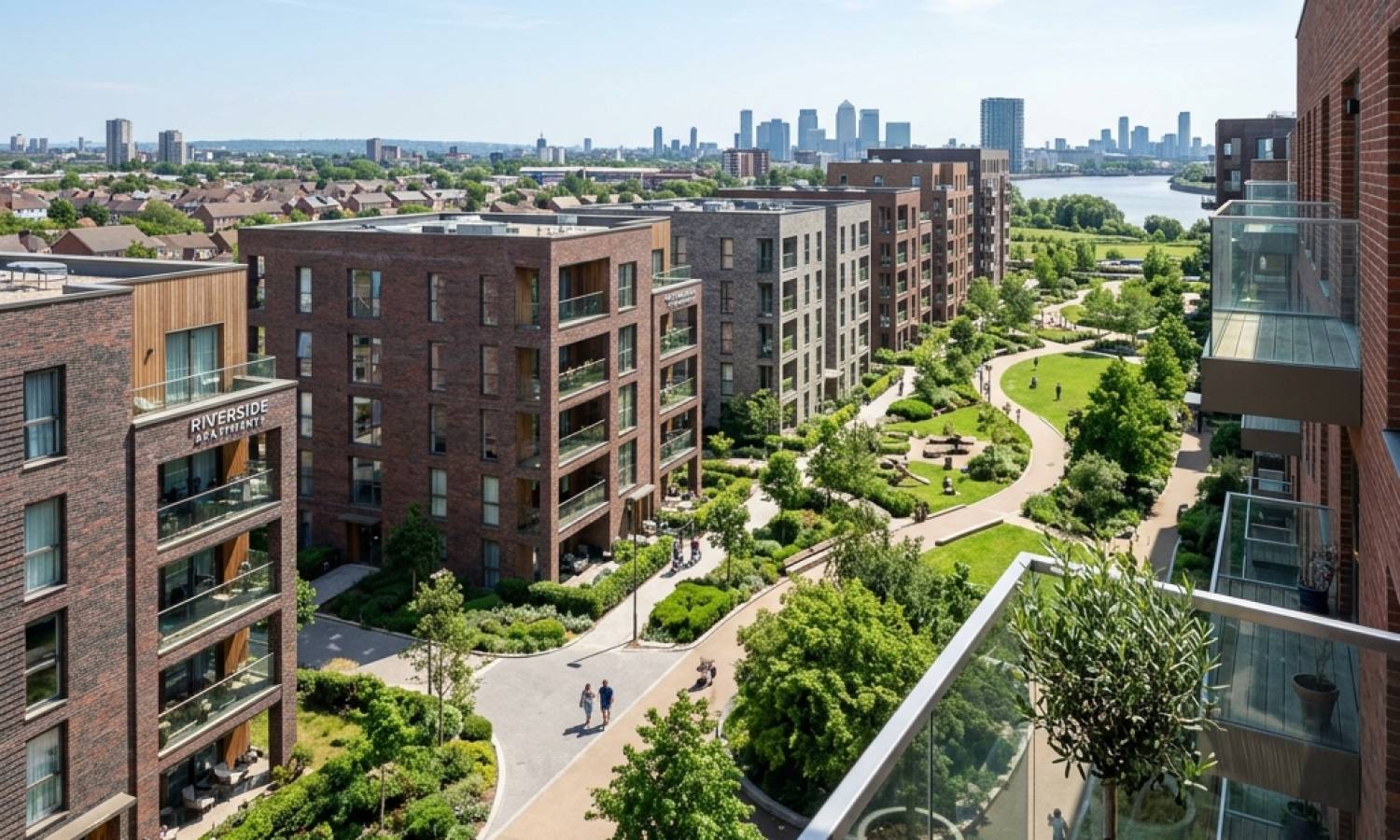
By moving capital into newly constructed apartments for sale in London, investors are bypassing these maintenance and regulatory issues. Modern developments are built to strict environmental standards, with almost all achieving an EPC rating of A or B. This high energy efficiency provides a dual benefit: it protects the landlord from future upgrade mandates and appeals directly to cost-conscious tenants.
These energy-efficient properties also qualify for green mortgages. Many major lenders now offer lower interest rates to buyers purchasing homes with an EPC rating of A or B. In a market where borrowing costs remain high, even a small reduction in mortgage rates can significantly improve monthly cash flow and net yields.
New builds also eliminate the unpredictable repair bills that eat into period property returns. Most developments come with a 10-year NHBC warranty and developer defects periods, giving investors peace of mind. Without the threat of sudden repair costs, landlords can treat their property investments as a predictable, high-yield asset class.
Regional Focus: Croydon's Yield Appeal
For investors looking to deploy capital, South London has become a major destination. In particular, the borough of Croydon has seen a massive influx of investment.
The local market offers a strong balance of lower entry prices and high tenant demand. With rapid rail links connecting the area to London Bridge and Victoria in under 20 minutes, new builds in Croydon are highly popular with young professionals. Landlords can secure modern, high-spec apartments at a fraction of the cost of central London properties, allowing them to achieve net yields that outperform older period stock in Zone 2.
East London: The Barking Redevelopment
Another key area for the buy-to-let pivot is East London. The borough of Barking and Dagenham is undergoing a major redevelopment push, turning industrial riverfronts into modern residential districts.
These developments attract investors looking for early-stage capital growth. Buying new builds in Barking allows landlords to enter a growing market with lower starting capital. The combination of new schools, parks, and improved transport connections has created a steady stream of professional tenants looking for modern, energy-efficient homes, securing consistent rental income for buyers.
The Strategic Shift to Off-Plan Buying
To maximize their returns, many investors are choosing to buy off-plan in London. Purchasing before construction is completed allows buyers to secure units at early-stage prices, often with favorable payment terms.
By the time the development launches and construction finishes, the property has often grown in value, providing immediate equity. For landlords exiting old period properties, buying off-plan offers a clean way to reinvest their capital without the hassle of managing active tenancies during the transition phase.
Key Takeaways for Property Investors in 2026:
- Prioritize EPC Ratings: Focus exclusively on properties with an EPC rating of A or B to qualify for green mortgage discounts and avoid future upgrade costs.
- Focus on Regeneration Areas: Look for outer-borough hubs with council-backed redevelopment plans, as these offer the best balance of price and yield.
- Compare Maintenance Liabilities: Factor the cost of building service charges against the unpredictable maintenance bills of older period conversions.
- Evaluate Transport Connections: Ensure the development sits within a short walk of a high-speed train link, as transit proximity remains the primary driver of tenant demand.