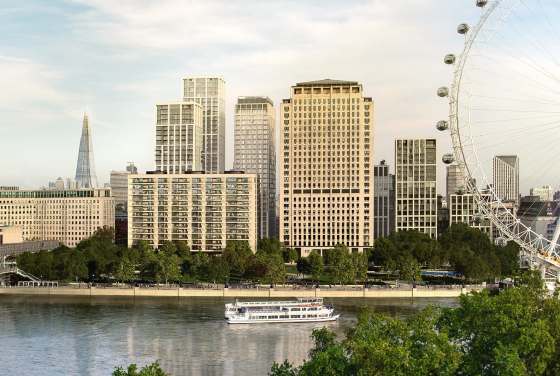
Vauxhall Pleasure Gardens nearby.
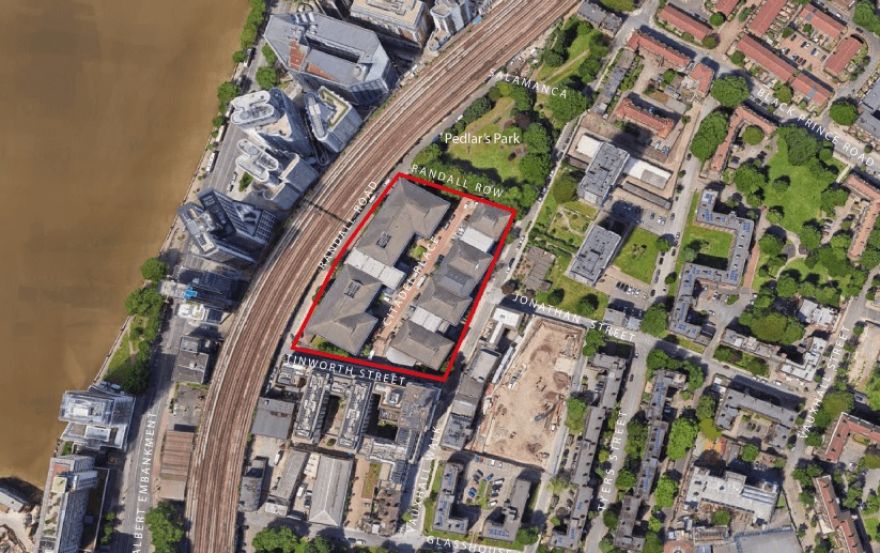
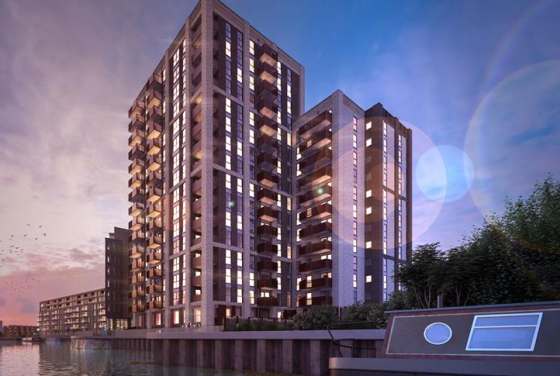
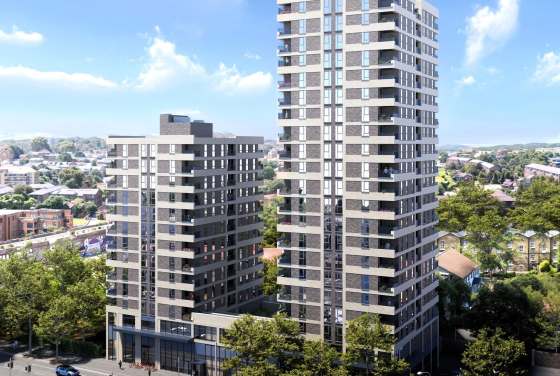
Citadel Place was planned to become a vibrant, residential-led area in the old Vauxhall district of London. A blocked space that offers, through a variety of functions, a relationship to buildings in the street and surrounding structure, as well as quick access to public transportation for both business days or weekends spent away from home.Through re-imagining what we currently know, traditional functions or activities could become new ones. It is intended to bring outdated office buildings up to par with today's mixed-use environment standards by emphasizing residential quality.
It enjoys a central position in the city, well integrated with surrounding transportation networks, employment clusters, and social facilities that are distinctive to this part of town. Future residents will be able to integrate into these everyday systems as part of their lives. Overview of Citadel Place and Bewick-upon-Tweed Residential has quality. With conscious planning of "step-free access" routes, the master plan makes the site connect naturally to adjacent streets and existing communities. This brings it in line with current London principles for planning, where intensified residential uses are combined with better public realm and active ground-floor activities.
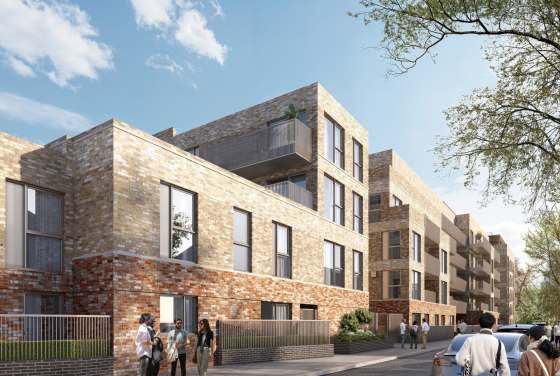
The residential element is set to bring a substantial number of new homes meeting modern space and environmental standards. The precise arrangement of apartment layouts has yet to be settled, but there is an intention on the part of designers to offer a balanced mix for long-term living Considering them from the points of natural light, outview and privacy, it is thought that each dwelling should provide everyday comfort and effective use of its own internal space Alongside private housing there will be purpose-built student accommodation included in the proposal, rather than as something separate.
The entire component has been carefully designed so that it will function totally independently, and yet be able to draw on all the advantages of the wider site. This separation helps to foster a stable residential environment and is also a thoughtful way of approaching mixed demographics. For a discerning buyer, several housing types coexisting within one development are proof that the plan is a structured reaction to local housing market needs rather than estimated density of them all.
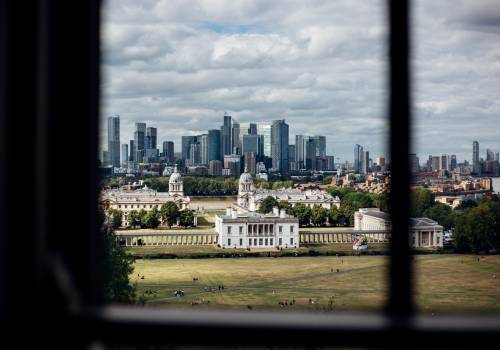
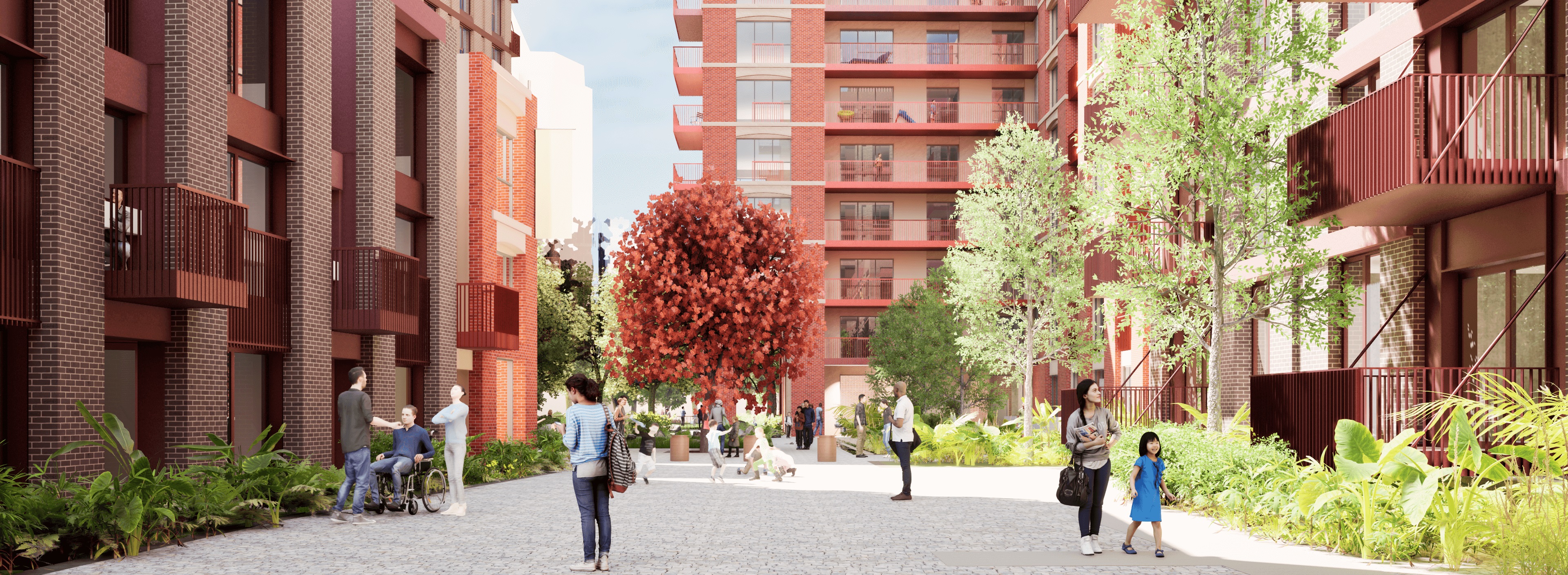
At Citadel Place, you are within walking distance of major transport connections, which saves time on your daily journey as well as extending your stay here. The surrounding urban fabric makes the destination retail, culture, recreation and those amenities not available at home, but then the plan itself provides passages for new public traffic paths. And these things help to make this area an identifiable scene that people can navigate their way around, even beyond the boundaries of the site. Urban living requires lifestyle amenities to activate street frontages. Year-round social mix for both living and work environments is called for. Within units and at public open spaces facing the street, such uses are thus planned. In this way, occurring among people but without breaking privacy-essential backyards.
From the perspective of an investor evaluating a site's prospects, Green Europe should be a relevant factor. Citadella Place is going through planning stages as detailed design is finalized, subject to this stage of statutory approval. At this stage, the project should be viewed as a strategic one rather than a completed one, with a long-term view toward future residents and the town centre. Mid-term policies will need to be agreed on now to provide prospective purchasers with the necessary permissions and clarification about the foundations for their homes to come. Say from six environmental engineers who meet monthly to discuss urban issues and research current planning policy trends; please may I present two cases for reflection.
The original scheme for Citadella Place is, in fact, very ambitious: the fanning out of a series of organic blocks that will emerge gradually to form a whole new cityscape in time. For example, at 40 years, most of present-day downtown Tokyo was dirt cheap and home to college kids. But over time, as the infrastructure got built out, developers were able to buy up property near subways or otherwise associated with mass transit lines; soon they were building what we see today — compact little high-rises which offer all sorts of culture together with the rest of the living space needed by an active businessman. These are factors that would have been difficult for any newcomer at either end to predict. Instead, they appear now as part of the background conditions of any environment likely to be experienced by future townsmen.
In the professional sense, a project as such calls for understanding the delivery timetable, nature of tenure and future phasing. A buyer willing to commit investment money into their homes may require assistance from authoritative sources like regeneration, public realm developers, and control of population densities. Elements to be found in this kind of management would include future pricing strategy, availability of master architectural and infrastructure plans, and official marketing material, which should contain a large signed photograph set.
Disclaimer
Leave a request and specialists will select the property